

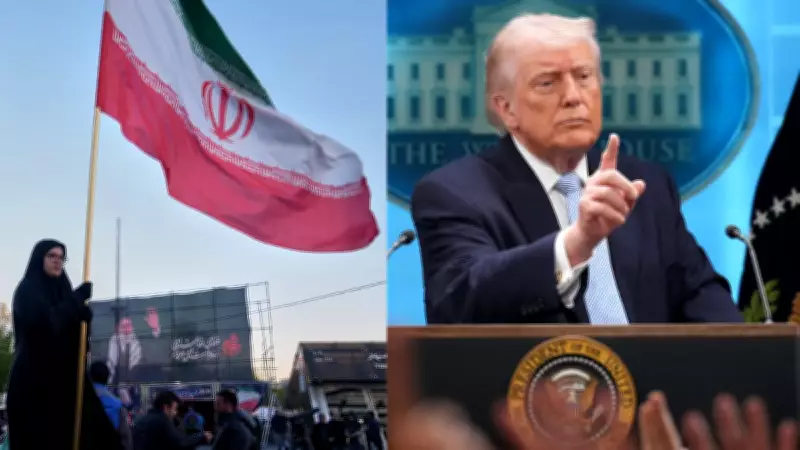
Iran Prepares Human Chains to Defend Energy Infrastructure Amid Trump's Strait of Hormuz Deadline
In a dramatic move to safeguard its vital energy assets, Iran is mobilizing its citizens to form human chains around key energy sites. This defensive strategy comes as former U.S. President Donald Trump's deadline for potential action in the strategically crucial Strait of Hormuz draws near, heightening fears of a regional confrontation.
Escalating Tensions in the Persian Gulf
The planned human chains are part of Iran's broader effort to protect its oil and gas facilities from possible external threats. The Strait of Hormuz, a narrow maritime chokepoint through which about one-fifth of the world's oil passes, has long been a flashpoint in U.S.-Iran relations. Trump's recent statements have reignited concerns, with his administration setting a deadline that Iran views as an ultimatum, though specific details remain undisclosed.
Iranian officials have emphasized that this civilian mobilization is a peaceful yet firm response to what they describe as "coercive pressures" from the United States. The human chains are intended to serve as both a symbolic and physical barrier, demonstrating national unity and deterring any aggressive moves. This tactic recalls similar actions during past crises, where Iran has leveraged public participation to bolster its defensive posture.

Broader Implications for Global Energy Markets
The situation has significant ramifications for global energy security. Any disruption in the Strait of Hormuz could lead to spikes in oil prices and supply chain instability, affecting economies worldwide. Iran's energy sector is a cornerstone of its economy, and protecting it is paramount for the country's stability.
Analysts note that Trump's deadline adds a layer of uncertainty, with potential outcomes ranging from diplomatic negotiations to military escalations. The international community is closely monitoring developments, urging restraint from all parties to prevent a full-blown crisis. Countries dependent on Hormuz oil shipments are particularly anxious, as they could face immediate economic repercussions.
Historical Context and Future Scenarios
This is not the first time Iran has employed human chains in defense; such measures were seen during the Iran-Iraq War and more recent tensions. However, the current context is unique due to Trump's re-emergence in political discourse and his hardline stance on Iran. The deadline, reportedly set for early April 2026, looms large, with Iran preparing for various scenarios.
- Diplomatic Efforts: Iran may seek to engage in last-minute talks to de-escalate, though trust between the nations is low.
- Military Readiness: Both sides have bolstered their naval presence in the region, raising the risk of accidental clashes.
- Economic Impact: Prolonged tensions could further strain Iran's economy, already under sanctions, and disrupt global trade routes.
As the deadline approaches, the world watches to see if Iran's human chains will be a deterrent or a prelude to deeper conflict. The stakes are high, with peace in the balance and energy security hanging in the midst.






