

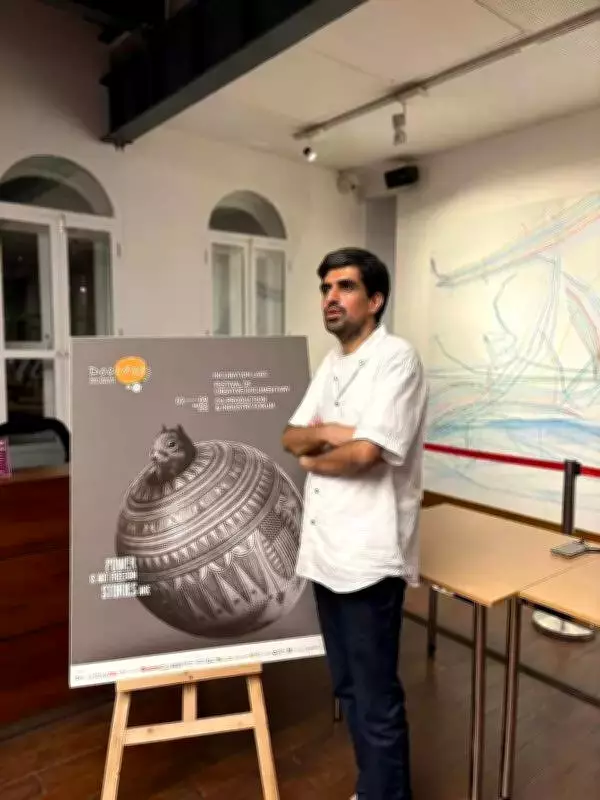
Iranian Filmmaker in Kolkata Finds Solace in Indian Friends Amid Homeland War
When war erupted in Iran, Mohammadreza Azadi found himself stranded in Kolkata, approximately 3,850 kilometers away from his home in Tehran. The Iranian teacher-turned-filmmaker had traveled to the city to participate in DocEdgeKolkata, an esteemed international incubation and pitching forum, where he was presenting his second feature documentary.
War Breaks Out Hours After Arrival
The conflict began merely one hour after Azadi landed in Kolkata. As news of the attacks on his homeland flooded in, the days threatened to become unbearable. "Alone in this city, I struggled to speak with my loved ones back home while following the news of multiple strikes," Azadi recounted. "My full focus was on Iran, on the lives of people who were being bombed every day. The distance made everything more bitter."
He expressed a profound sense of helplessness, feeling he should be in Tehran, as he was during an Israeli attack nine months prior, actively engaging in defense efforts. Instead, he was confined to the calm and elegant classrooms of the forum, with his mind engulfed in a storm of stress and even shame.

Solidarity from Indian Friends Provides Comfort
What sustained Azadi through this harrowing period was the unwavering support from his Indian acquaintances. "The solidarity, empathy, and kindness of my Indian friends were my anchor," he emphasized. Before departing Kolkata on Tuesday, he spoke about how their compassion made his stay possible amidst the turmoil.
Azadi praised DocEdgeKolkata as a well-known platform in Iran and a significant step for presenting documentary films. "The feedback and comments I received about my presence were very encouraging. From mentors to participants, everyone considered this insane act of attack and aggression against Iran unacceptable," he noted, highlighting the forum's supportive environment.
Family's Fragile Safety and Psychological Trauma
While his immediate family remains physically safe for now, Azadi underscored the fragility of safety during such times. "Physically, my family is fine — for now. But the psychological effects of this attack touch every life," he explained. His larger family and countless others are under aimless bombardment, with daily casualties occurring in hospitals, streets, homes, and even schools.
When asked about fear in the current climate, Azadi responded resolutely, "We are facing an attack from Israel and the United States, and in a situation of war there is no place for fear — only for defense and resistance."
Heartbreaking News Amplifies Emotional Strain
A particularly devastating moment for Azadi was learning about a U.S. bombing that destroyed a school and killed 167 students on the day he arrived in Kolkata. "I am a teacher, this news was heartbreaking for me," he shared, his voice laden with emotion. This tragedy intensified his anguish, making the kindness of his Indian friends even more crucial to his ability to remain in the city.
Azadi's experience in Kolkata juxtaposes the serenity of the forum with the chaos of war, illustrating how global conflicts can deeply affect individuals far from the front lines. His story sheds light on the human cost of geopolitical tensions and the power of cross-cultural empathy in times of crisis.






