

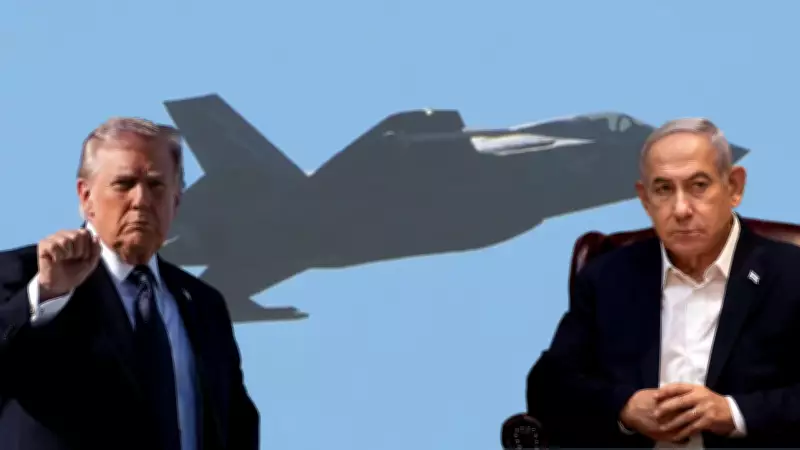
Iran's Missile and Drone Strategy Challenges US-Israel Military Superiority
One week into what former US President Donald Trump described as a "four-week operation" against Iran, the conflict has proven far more complex and protracted than initial Washington timelines suggested. When US and Israeli forces launched Operation Epic Fury on February 28-29, the opening strikes aimed to decapitate Iran's leadership and cripple its military infrastructure.
American bombers and cruise missiles struck dozens of targets, reportedly killing senior commanders and confirming the death of Supreme Leader Ayatollah Ali Khamenei. Yet over a week later, the conflict shows no signs of ending, with missiles continuing to streak across the Middle East and Iranian drones buzzing over Gulf cities.
From Lightning Strike to Grinding War of Attrition
The contrast between this conflict and the recent American operation in Venezuela could not be more striking. In Venezuela, a single raid toppled Nicolás Maduro's government in just over two hours. Iran, however, has absorbed the initial blows and continues to fight back effectively.

Iran possesses significant military advantages that Venezuela lacked:
- Thousands of missiles with varying ranges and an enormous drone fleet
- Rugged terrain and multiple defense layers as the world's 17th largest nation
- A tightly controlled regime that has endured decades of foreign pressure
- Strategic depth and ideological cohesion through the Islamic Revolutionary Guard Corps
Instead of the swift victory some in Washington envisioned, the conflict has settled into a grinding contest of endurance, testing both sides' military capabilities and strategic patience.
Iran's Missile and Drone Barrages
In response to US-Israeli attacks, Tehran has launched repeated mass salvos of missiles and drones across the Gulf region and toward Israel. Starting March 1, Iran reported firing 137 ballistic missiles and 209 drones toward the UAE alone on the first day, with some striking Dubai and Abu Dhabi landmarks.
Iran's strategy focuses on saturation attacks, using large salvos of ballistic missiles and loitering munitions alongside actions by Hezbollah and other militias to stretch Israeli and US missile defenses. The country maintains a diverse missile force of its own design, from short-range rockets to medium-range Shahab and Fateh-class missiles.
Iran's drone capabilities are particularly noteworthy. The Shahed-136, for example, is a small propeller-driven drone weighing about 200 kg with a flying range of up to 2,500 km and a 40-60 kg warhead. Iran's stock of these drones is believed to be vastly larger than its ballistic missile inventory, suggesting Tehran is consciously preserving missiles for later conflict phases while using cheaper drones for current attacks.
The Cost Imbalance: Cheap Drones vs Expensive Defenses
What makes Iran's strategy particularly effective is the dramatic cost imbalance between its munitions and Western interceptors. Shahed drones cost approximately $20,000-$50,000 each, while Patriot missile interceptors cost roughly $4 million apiece.
This mismatch has turned the conflict into a war of attrition, where each engagement drains defenders' expensive stockpiles faster than Tehran's factories can produce cheap drones. As analysts note, it costs five times more to intercept an Iranian drone than to produce it, creating significant economic pressure on US and Israeli defense systems.
US-Israeli Defense Systems Under Strain
The US and Israel have deployed their most advanced military assets in response. American forces are using more than 20 different systems, including B-2 Spirit stealth bombers, F-22 Raptor and F-35 Lightning fighter jets, EA-18G Growler electronic warfare aircraft, and MQ-9 Reaper attack drones.
Israel's multi-tier missile defense system has been particularly tested. Short-range rockets and drones are handled by Iron Dome batteries, mid-range threats by David's Sling, and high-altitude ballistic missiles by the Arrow system. While this layered defense has intercepted most incoming projectiles, several missiles have slipped through, causing casualties and proving the shield is not impenetrable.

US forces are also reinforcing Gulf allies with air-defense batteries, including Patriot and THAAD systems in Saudi Arabia, the UAE, Bahrain, and Kuwait. These systems have knocked down a large fraction of Iranian missiles and drones, but not all, with debris from intercepted drones raining on cities and some missiles reaching critical infrastructure.
Straining Stockpiles: The Endurance Contest
The conflict has become largely a contest of inventories, with both sides monitoring whose munition stockpiles will last longer. US officials admit they are burning through ordnance at an extraordinary rate, with thousands of Patriot, THAAD, and ship-based Standard missiles already launched against Iranian drones and rockets.
Pentagon sources suggest Iran can sustain the current pace for only "several more days" before its missile supply begins to dwindle. However, Tehran may begin rationing missiles to prolong the conflict, firing fewer volleys to make its arsenal last longer.
Gulf countries report some shortages, with US-supplied THAAD launchers using approximately 25% of their interceptors just defending Israel in previous clashes. Even Britain and other allies have been asked to send additional munitions, while Congress debates additional funding for military aid to the region.
Gulf States on the Front Lines
Much of the current action has unfolded in the Persian Gulf littoral, with countries like the UAE, Saudi Arabia, Qatar, and Bahrain becoming targets due to their hosting of American bases. Sirens have wailed across Riyadh, Abu Dhabi, and Doha as Iranian missiles arced overhead, while authorities reported numerous fires in Dubai landmarks after drone interceptions.
The threat to shipping has become particularly notable, with Iran warning it could close the Strait of Hormuz, a key oil chokepoint. Tankers are already diverting or waiting outside the Gulf to avoid attacks, and shipping insurance rates have spiked following incidents like the March 2 strike on a Maltese-flagged tanker.
Civilians across the region have faced significant disruptions, with airlines temporarily halting flights from Dubai and Doha during major salvos, tourists and residents spending nights in shelters, and markets remaining volatile on any hint of escalation.
What Comes Next in the Conflict?
One week into the war, a clear lesson has emerged: Iran is not an easy target. Despite opening strikes that killed commanders, destroyed bases, and eliminated the country's supreme leader, the system they built remains intact and fighting back effectively.
Washington continues to believe its arsenal, alliances, and technological superiority will ultimately prevail, while Tehran bets that patience, geography, and sheer volume of cheap weapons can level that advantage. For now, neither side shows signs of backing down, and with every intercepted missile and every drone that slips through defenses, the central question grows louder: not who can strike harder, but who can endure longer in this costly war of attrition.





