

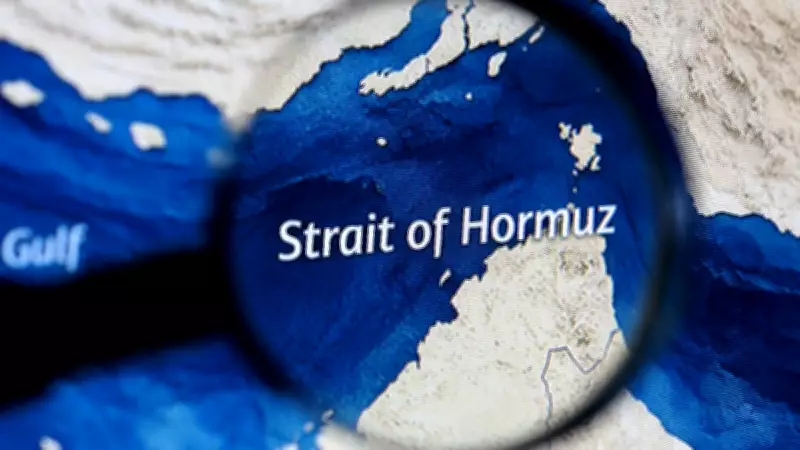
Iran's Proposal to Impose Fees on Ships in the Strait of Hormuz
Iran's deputy foreign minister, Kazem Gharibabdi, announced last week that Tehran is actively drafting a protocol in collaboration with Oman. This protocol aims to establish a new regulatory framework requiring ships to obtain permits and licenses before transiting the strategic Strait of Hormuz. This move has sparked widespread debate among international legal experts, shipping industries, and global policymakers regarding its feasibility and potential repercussions on maritime trade.
Legal and Diplomatic Context of the Proposal
The Strait of Hormuz is a critical chokepoint for global oil shipments, with approximately one-fifth of the world's petroleum passing through its waters. Under international maritime law, specifically the United Nations Convention on the Law of the Sea (UNCLOS), straits used for international navigation are subject to the regime of transit passage. This generally allows ships and aircraft the freedom of navigation and overflight, with coastal states like Iran and Oman permitted to adopt laws and regulations related to safety, pollution prevention, and fisheries. However, imposing fees for mere transit could conflict with these provisions, potentially leading to legal disputes and heightened tensions in the region.
Economic and Geopolitical Ramifications
If implemented, this protocol could have significant economic implications. Shipping companies might face increased operational costs, which could be passed on to consumers through higher prices for goods, particularly oil and gas. Geopolitically, it may strain Iran's relations with neighboring countries and major global powers, including the United States and European nations, who rely heavily on the free flow of maritime traffic through the strait. Additionally, this move could be seen as a strategic effort by Iran to leverage its geographical position amid ongoing regional conflicts and international sanctions, potentially altering the balance of power in the Middle East.

- The protocol is still in the drafting phase, with details on fee structures and enforcement mechanisms yet to be finalized.
- Oman's involvement suggests a bilateral approach, but broader international consensus may be required for such measures to be effective and legally sound.
- Historical precedents, such as tolls in the Suez and Panama Canals, differ as those are man-made waterways, whereas the Strait of Hormuz is a natural strait governed by different legal standards.
In summary, while Iran's initiative to charge fees for transit through the Strait of Hormuz represents a bold geopolitical maneuver, its implementation faces substantial legal hurdles and could provoke significant economic and diplomatic fallout. The international community will closely monitor developments as Tehran and Oman proceed with their drafting efforts, with potential impacts on global trade routes and maritime security hanging in the balance.






