

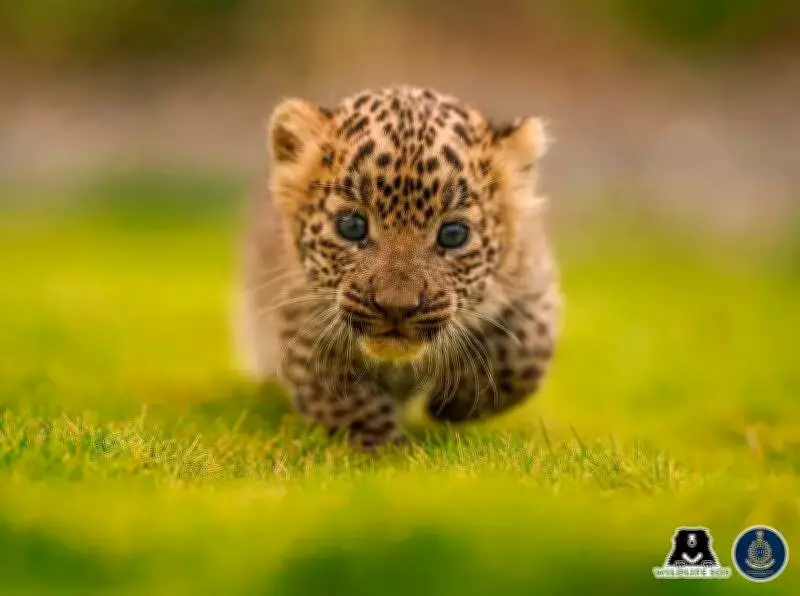
Junnar's Nighttime Leopard Cub Reunions: A Model for Coexistence in Maharashtra
In the sugar cane fields of Maharashtra's Junnar forest division, the most critical wildlife operations commence after sunset. Under the cover of darkness, forest officials quietly return rescued leopard cubs to the exact spots where they were discovered, then retreat into the shadows to await a mother that may or may not return. This high-stakes endeavor has transformed Junnar into one of India's most successful landscapes for leopard cub reunions, with forest division records indicating 185 cubs successfully reunited with their mothers between 2020 and early 2026.
A Unique Ecological Setting Drives Success
Despite being a hotspot for human-animal conflict, Junnar has emerged as a beacon of hope in wildlife conservation. An expert from the Wildlife Institute of India (WII) emphasized, "This is one of the few places in India where reunions are attempted at this scale with consistent success. Every reunion is a race against time, terrain, and wild animal behavior." Unlike many global practices where orphaned cubs are taken into permanent captivity, the Junnar model prioritizes keeping leopards in the wild. This approach is fueled by a unique ecological setting: leopards in Junnar frequently give birth in dense sugar cane fields, which mimic forest undergrowth. During harvest season, farmers often stumble upon hidden cubs, triggering panic and necessitating swift intervention.
Safety and Survival Imperatives
Smita Rajhans, assistant conservator of forest (Junnar), explains that the reunion program is not only about conservation but also a safety necessity. "Female leopards become extremely aggressive when separated from their cubs, often leading to increased attacks on villagers. By reuniting them, we mitigate conflict and ensure the cubs learn essential survival and hunting skills from their mothers." This dual focus on human safety and wildlife welfare underscores the program's holistic approach to coexistence.

Operational Demands and Challenges
The reunion process is deceptively simple but operationally demanding. After a thorough medical examination, the cub is carefully returned to its original location. Camera traps are installed to monitor the situation, and teams withdraw hundreds of meters to avoid scaring off the mother. A wildlife biologist noted, "Leopards are extremely sensitive. If the mother detects human scent or a disturbance, she may abandon the cub entirely." Timing is equally critical; cubs younger than three months are highly vulnerable, and any delay in the reunion drastically reduces their survival chances, making these operations a delicate balance of precision and patience.
Institutional Coordination and Community Involvement
Junnar's high success rate is rooted in robust institutional coordination between the forest department and NGOs like Wildlife SOS, alongside a significant shift in community behavior. Villagers now increasingly report sightings to authorities rather than reacting with aggression, fostering a collaborative environment that enhances the effectiveness of reunions. This community engagement is pivotal in reducing conflicts and ensuring the program's sustainability.
Replicability and Limitations
While this model is now being replicated in states like Uttar Pradesh and Madhya Pradesh, experts caution that it is not a universal fix. A senior forest official stated, "This works in Junnar because of the specific landscape and leopard behavior. In deep forest regions with multiple large predators, the dynamics change, and this model may not be as effective." Nevertheless, for the people and leopards of Junnar, these high-stakes night operations remain a vital template for coexistence rather than confrontation, offering valuable lessons for wildlife management across India.






