Jwala the Cheetah Welcomes Five Cubs at Kuno National Park
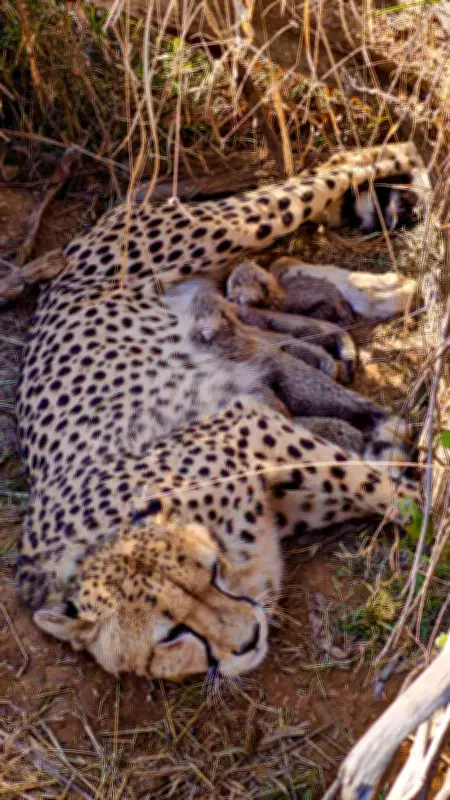
In a heartening development for wildlife conservation efforts in India, Jwala, a female cheetah translocated from Namibia, has given birth to five cubs at Kuno National Park in Madhya Pradesh. This event marks a significant milestone in the ambitious cheetah reintroduction project, which aims to re-establish the species in India after its local extinction decades ago.
A Landmark Achievement for Conservation
The birth of these cubs is a testament to the successful adaptation and breeding of the translocated cheetahs in their new habitat. Jwala, along with other cheetahs, was brought to India as part of a collaborative initiative between the Indian government and international wildlife organizations. The project focuses on restoring ecological balance and promoting biodiversity in the region.
Officials from the forest department have confirmed that both Jwala and her cubs are in good health, with close monitoring in place to ensure their well-being. This breeding success is seen as a positive indicator of the cheetahs' acclimatization to the Indian environment, which includes suitable prey availability and minimal human interference.

Boosting India's Cheetah Reintroduction Efforts
The cheetah reintroduction project has been a key focus for conservationists, aiming to revive the population of this majestic big cat in India. Kuno National Park was selected as the primary site due to its expansive grasslands and prey base, which are ideal for cheetahs. The birth of Jwala's cubs adds momentum to these efforts, potentially paving the way for a self-sustaining cheetah population in the future.
Experts highlight that this event could enhance genetic diversity and strengthen the cheetah population in India, contributing to global conservation goals. The project also involves community engagement and awareness programs to foster coexistence between local communities and wildlife.
Challenges and Future Prospects
While the birth of the cubs is a celebratory moment, challenges remain in ensuring their survival and growth. Factors such as predation, disease, and habitat management will require ongoing attention from conservation teams. The forest department plans to implement enhanced protection measures and continue scientific monitoring to support the cubs' development.
Looking ahead, this success story could inspire similar conservation initiatives across India and beyond. The cheetah reintroduction project serves as a model for species recovery, emphasizing the importance of international cooperation and ecological restoration.