Kali Tiger Reserve: Illegal Tourism Constructions or Conservation Efforts?
The Kali Tiger Reserve, located in the Uttara Kannada district of Karnataka, has become the center of a heated debate. Recent reports have highlighted the presence of illegal tourism constructions within the reserve's boundaries, sparking concerns among environmentalists and conservationists. This issue raises critical questions about whether these developments are undermining long-standing conservation efforts aimed at protecting the region's rich biodiversity.
Illegal Constructions and Tourism Activities
Authorities have identified numerous unauthorized structures, including resorts, homestays, and viewing platforms, that have been built without proper permits or environmental clearances. These constructions are often linked to tourism activities that promote wildlife sightseeing and adventure sports. Proponents argue that such tourism can generate revenue and raise awareness about the reserve's ecological importance. However, critics point out that these activities frequently violate forest and wildlife protection laws, leading to habitat fragmentation and increased human-wildlife conflict.
Impact on Conservation and Wildlife
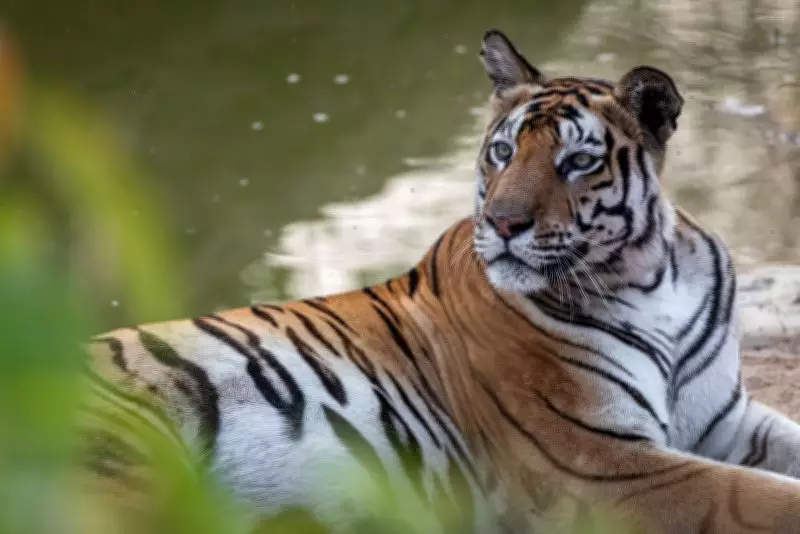
The Kali Tiger Reserve is home to a diverse array of species, including tigers, elephants, and leopards, making it a crucial habitat for conservation. Illegal constructions and unregulated tourism pose significant threats to this ecosystem. Noise pollution, waste disposal issues, and disturbance to animal behavior are common problems associated with these developments. Conservationists emphasize that such activities can disrupt breeding patterns and migration routes, potentially endangering the very wildlife the reserve aims to protect.

Government and Legal Responses
In response to these concerns, government agencies and forest departments have initiated investigations and enforcement actions. Legal measures are being considered to dismantle illegal structures and impose penalties on violators. Additionally, there are calls for stricter regulations and monitoring systems to prevent future encroachments. Some officials advocate for a balanced approach that allows for sustainable tourism, provided it adheres to environmental guidelines and contributes to conservation funding.
Broader Implications for Tiger Reserves
This controversy at the Kali Tiger Reserve reflects a larger issue faced by many protected areas across India. The tension between promoting tourism for economic benefits and preserving natural habitats is a persistent challenge. Experts suggest that effective management strategies, community involvement, and transparent governance are essential to resolve such conflicts. The outcome of this situation could set a precedent for how other reserves handle similar issues in the future.
As the debate continues, stakeholders are urged to prioritize the long-term health of the ecosystem. Ensuring that conservation efforts are not compromised by short-term gains from illegal tourism remains a key objective for safeguarding India's wildlife heritage.