Karnataka's First Comprehensive Survey Uncovers 274 Natural Springs
A pioneering and first-of-its-kind survey conducted across Karnataka has meticulously documented the presence of 274 natural springs throughout the state. This landmark hydrological study provides unprecedented data on these vital water sources, which are crucial for local ecosystems, agriculture, and communities. The findings underscore Karnataka's rich and diverse geological landscape, revealing a network of springs that contribute significantly to the region's water resources and environmental health.
Bendru Teertha: Karnataka's Sole Hot Spring
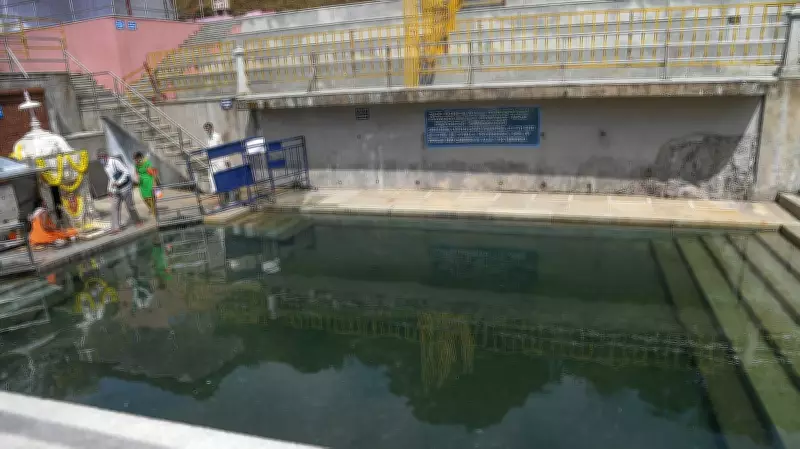
Among the 274 springs identified, Bendru Teertha in the Dakshina Kannada district stands out as the only hot spring in Karnataka. This unique thermal spring is formed due to distinctive hydrological features, where groundwater is heated geothermally as it circulates deep within the earth's crust before emerging at the surface. The presence of Bendru Teertha highlights the state's varied geological formations and adds to its natural heritage, potentially holding significance for tourism, wellness practices, and scientific research into geothermal energy and hydrology.
Survey Methodology and Regional Distribution
The comprehensive survey, which marks a significant advancement in Karnataka's environmental monitoring efforts, involved detailed field studies and data collection across multiple districts. Key regions such as Bengaluru, Chamarajanagar, Dharwad, and Kodagu were extensively covered, contributing to the total count of 274 springs. This systematic approach ensures accurate mapping and assessment, aiding in future conservation strategies and water management plans. The survey's results are expected to inform policymakers and environmental agencies in protecting these natural assets from threats like pollution, over-extraction, and climate change impacts.

Implications for Water Resource Management
The identification of 274 springs, including the unique hot spring Bendru Teertha, has profound implications for Karnataka's water resource management. Springs often serve as reliable sources of freshwater, especially in rural and hilly areas, supporting biodiversity and human livelihoods. By cataloging these springs, the survey enables better planning for sustainable usage, recharge initiatives, and disaster preparedness. It also opens avenues for further research into Karnataka's hydrology, potentially leading to innovations in water conservation and geothermal exploration, thereby enhancing the state's resilience to water scarcity challenges.