

Kerala Environmental Charter Warns Infrastructure Projects Worsen Floods and Landslides
Infrastructure development in Kerala that disregards natural drainage systems and ecological vulnerabilities is significantly exacerbating the frequency and severity of floods and landslides across the state, according to a comprehensive people's environmental charter released by environmental organizations.
Development Without Proper Assessments
The charter, meticulously prepared by a collective of environmental organizations, independent researchers, and community representatives under the banner of Kerala Paristhithi Aikya Vedi, presents compelling evidence that numerous development projects throughout Kerala proceed without conducting adequate hydrological studies or proper landslide-risk assessments. This critical oversight creates substantial environmental hazards that threaten both ecosystems and human settlements.
Disruption of Natural Drainage Pathways
The detailed document highlights how decades of construction involving roads, railway networks, embankments, and large-scale infrastructure projects have systematically disrupted the natural drainage pathways that traditionally carry monsoon rainwater runoff through forests, vital wetlands, and natural streams before eventually reaching rivers and the sea. When these essential water channels are altered, blocked, or completely destroyed through development activities, rainfall that would normally disperse gradually through these natural pathways instead accumulates rapidly in concentrated areas.

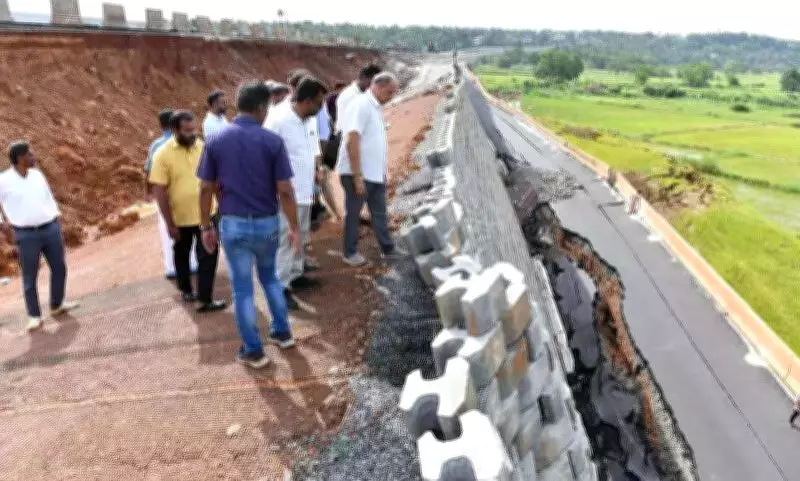
This rapid accumulation dramatically increases the risk of sudden flash floods and destructive landslides, particularly during Kerala's intense monsoon seasons. The charter specifically notes that many national highway projects constructed by the National Highways Authority of India have been built directly over natural ponds and streams, while other developments occupy converted paddy lands, further obstructing the natural flow of rainwater.
Call for Climate Governance and Coordination
Environmental groups behind this significant charter are urgently calling for a fundamental shift from reactive disaster response mechanisms to proactive, long-term climate governance throughout the state. The document argues persuasively that climate risks and ecological impacts must be systematically integrated into all aspects of public finance allocation, infrastructure planning processes, and urban development strategies.
"What we currently witness is a lack of coordinated action where the disaster management authority implements one approach while local self-government departments may pursue contradictory measures," explained Sridhar Radhakrishnan, a prominent environmentalist who chairs the charter's drafting committee. "What Kerala desperately requires is proper coordination in both policy formulation and practical implementation to address these interconnected environmental challenges effectively."
Mandatory Screening Recommendations
The environmental charter strongly recommends establishing mandatory climate, hydrological, and ecological screening requirements for all major development projects before they receive official approval. Such comprehensive screening is deemed absolutely necessary to properly evaluate the potential impact of proposed projects on sensitive floodplains, crucial wetlands, and landslide-prone landscapes throughout Kerala's diverse terrain.
The document emphasizes that Kerala's unique geographical landscape, which stretches continuously from the biodiverse forests of the Western Ghats through rolling hills, midlands, river systems, and finally to the coastal regions, functions as an interconnected ecological system that naturally regulates water flow during monsoon periods. Disturbance in any single part of this complex landscape can trigger cascading environmental effects throughout the entire system.

Weakened Natural Landscape Resilience
Over recent decades, widespread wetland conversion for development, extensive hill cutting activities, and relentless infrastructure expansion in hilly regions have collectively weakened the landscape's natural ability to absorb, retain, and gradually regulate heavy rainfall. Consequently, water that once moved slowly and safely through forests, natural streams, and wetland ecosystems increasingly transforms into destructive torrents that cause flooding or trigger landslides.
"Our fundamental need is the protection and restoration of natural river channels, wetland ecosystems, and undisturbed drainage corridors so that monsoon waters can flow freely through the landscape without being obstructed by highways, embankments, or urban construction," Sridhar emphasized. "Without these protective measures, even two hours of intense rainfall can flood entire residential and agricultural areas, causing significant damage to property and threatening human lives."
The charter represents a crucial call to action for governmental authorities, planning agencies, and development stakeholders to prioritize ecological considerations in all future infrastructure projects to mitigate the growing environmental risks facing Kerala.





