Leena Dandekar's Sustainable Home in Pune: A Model for Eco-Conscious Living
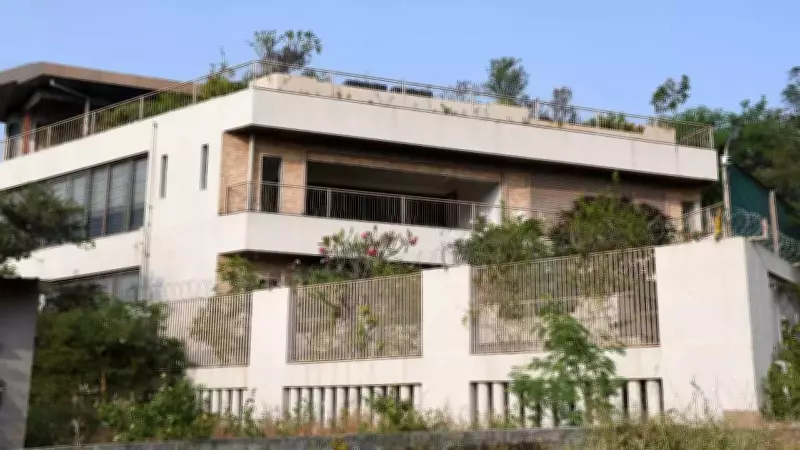
Leena Dandekar's residence, Kamal Bungalow in Pune, stands out not for opulence but for its grounded, real, and sustainable design. As the founder and trustee of the Raintree Foundation, Dandekar has dedicated her family's resources to driving impact in climate action, circularity, and sustainability. In an exclusive account, she reveals the journey of building this eco-friendly home, aiming to prove that sustainable living can be affordable and manageable.
Vision and Inspiration for a Sustainable Home
Driven by a strong belief in sustainable living, Dandekar sought to reduce her lifestyle's negative impact on the planet. Moving from Mumbai to Pune provided the opportunity to build a single-family home. Her dream included growing her own fruits and vegetables, minimizing air conditioning, and harvesting all water—a crucial aspect in Pune's drought-prone area. Initially, she purchased an urban plot on the city's outskirts with a vague idea of sustainability, which later evolved into a comprehensive plan.
Smart Design Based on Natural Elements
The first step in construction involved analyzing the sun, wind, and monsoon directions—unchangeable factors that dictate smart home design. To harness clean energy, the roof was sloped southward in the northern hemisphere, equipped with a solar panel system, inverters, and batteries stored in the basement. Solar power serves as the primary energy source, supplemented by grid power when needed.

To combat Pune's intense summer heat, south and west-facing balconies were designed to shield living areas from midday sun, allowing sunlight only after 4 PM. Conversely, east-facing bedrooms and the kitchen capture morning sun, warming the home during winter days. This orientation optimizes natural light and temperature control.
Efficient Water Management Systems
Water conservation was a top priority. Three borewells were dug before laying the foundation, with all rainwater from the roof and plot directed into them for recharge. A greywater filtration system reuses water for toilet flushes and terrace gardens. The plot's steep slope was leveraged to use gravity in filtering greywater through various mediums, enhanced by attractive floral plantations that add beauty to the surroundings.
Innovative Roofing and Landscaping Solutions
Green roofs were implemented with orchards and fruit trees on terraces to maximize sun exposure, without increasing structural load by using existing load-bearing columns. Lawns were minimized to reduce water usage, featuring drought-proof varieties. The air conditioning system ensures fresh air intake and uses 'green' certified cooling gases with energy-efficient HVAC technology.
Sustainable Materials and Furniture
All construction materials adhere to IGBC standards for green buildings, sourced within a 400 km radius to reduce carbon footprint. Finishing materials are locally made in India. A highlight is the refurbished and reused loose furniture, which blends styles from different eras, creating a warm, welcoming atmosphere with pieces handed down from loved ones.
Productive Gardens and Ecosystem Integration
The gardens at Kamal Bungalow are Dandekar's pride, featuring a vegetable garden and food forest with local fruit trees. Flowering shrubs and trees support bee boxes, ensuring year-round food for bees. The productive garden yields fruits, vegetables, and flowers in all seasons, with free-range chickens providing eggs and manure. This interdependent ecosystem on a small urban plot grows more robust annually, multiplying produce each year.
About the Author: Smita Mishra, Editor of Times of India Lifestyle, Times Food, and Times Travel, brings expertise in crafting in-depth features on culinary arts, travel, and more, with a background in digital media at Zee News and India Today.