The Growing Threat to Maharashtra's Ancient Lonar Lake
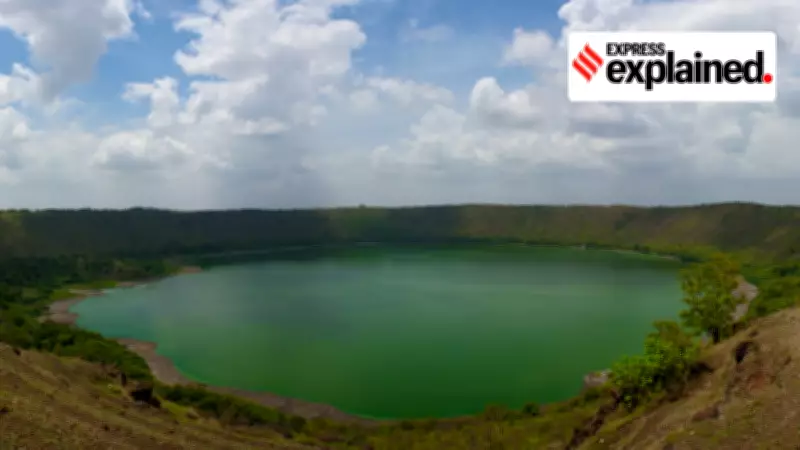
Maharashtra's iconic Lonar lake, a geological wonder formed by a meteorite impact thousands of years ago, is facing an unprecedented crisis. The water level at this unique site has surged by approximately four metres since 2022, creating a dual threat to both its delicate ecosystem and the historical structures surrounding it.
Understanding Lonar Lake's Significance
Located within a 1.88-kilometer diameter crater in Buldhana district, Lonar lake holds multiple prestigious designations. It is recognized as a National Geo-heritage site by the Indian government and holds Ramsar site status under the International Ramsar Convention on Wetlands. Scientists consider it the world's largest basaltic impact crater, with age estimates ranging from 12,000 to 570,000 years.
The lake's water is highly alkaline, with a pH value around 10, making it uninhabitable for most species. This extreme environment supports only specialized organisms, creating a unique and fragile ecology that exists nowhere else in the region.

The Immediate Consequences of Rising Water
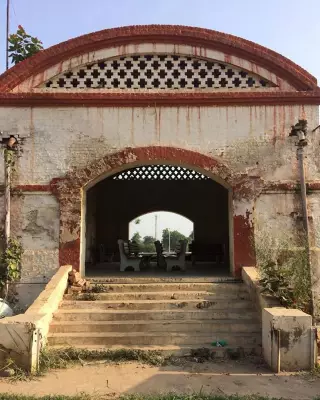
The recent water level increase has already caused significant damage. According to the Archaeological Survey of India, there are 15 protected temples at the lake's lower rim, and nine have been partially or completely submerged. The Kamalja Devi Temple, a prominent structure at the site, was partially submerged under two meters of water following heavy monsoon rains in 2025.
Chetan Rathod, Assistant Conservator of Forests at Akola, confirmed the four-metre rise since 2022, noting that the 2025 monsoon season caused particularly dramatic increases. The Bombay High Court has taken suo motu cognizance of the situation, highlighting its seriousness.
Root Causes Behind the Water Rise
Geologist Ashok Tejankar, former Vice-Chancellor of Dr Babasaheb Ambedkar Marathwada University, investigated the phenomenon. He identified human-made water management structures as primary contributors:
- Borewells dug 600-700 feet deep
- Dugwells constructed around the area
- Percolation dams built in recent years
These structures have recharged lower aquifers, causing underground water to flow toward the lake. The heavy 2025 monsoon, which brought over 100 millimeters of rainfall in just three hours, exposed stream bedrock and increased percolation, further accelerating the process.
Tejankar criticized authorities for ignoring the problem for years, noting that action only began when temples started submerging. "Why has the government now taken action or why is there different news? It is there because the temple is now submerged," he stated.
Ecological Implications
The rising water poses a serious threat to Lonar lake's distinctive alkaline character. Any significant change in water volume could alter the pH balance, potentially destroying the specialized ecosystem that has developed over millennia. Since the lake has no natural outlet and loses water only through evaporation, accumulated increases create lasting changes.
Proposed Solutions and Challenges
Authorities are considering both temporary and long-term measures to address the crisis:
- Temporary protection: The Archaeological Survey of India plans to construct a gabion wall around the Kamalja Temple as an immediate protective measure.
- Water diversion: Tejankar recommends diverting or lifting water from incoming springs as a short-term solution.
- Comprehensive survey: A detailed geological and geo-hydrological study is needed to identify recharge zones and lower aquifers for permanent treatment.
However, implementing solutions faces regulatory hurdles. Since Lonar lake lies within the Lonar Wildlife Sanctuary under the Wildlife Protection Act, 1972, water diversion requires state government permissions. Forest conservator Rathod acknowledged these challenges, stating that various agencies are working to find feasible approaches.

The situation at Lonar lake represents a critical intersection of environmental conservation, archaeological preservation, and human intervention. As authorities scramble to respond, the unique geological treasure faces an uncertain future, with its distinctive ecology and historical heritage hanging in the balance.