Antarctica has long captivated the human imagination as a frozen enigma, dominated by iconic wildlife like seals and penguins, and blanketed in seemingly endless expanses of white snow. Yet, beneath its thick icy layers lie secrets dating back millions of years, waiting to be uncovered by intrepid explorers and advanced technology.
Unexpected Shipwreck Side Discovery
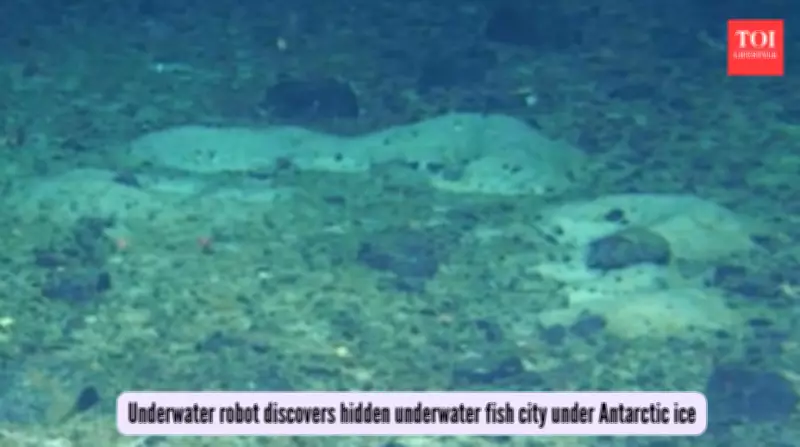
A Weddell Sea expedition aboard the SA Agulhas II, initially focused on locating the legendary wreck of Shackleton's Endurance, made a startling and unexpected find. Instead of the historic ship, researchers stumbled upon a massive underwater fish city hidden under the Antarctic ice for ages. According to a report published in Frontiers in Marine Science, an underwater robot named "Lassie" captured footage of thousands of neatly arranged mud bowls, each about the size of a dinner plate and cleared of debris, off Antarctica's peninsula.
The discovery was facilitated by a significant environmental event: the calving of iceberg A68 in 2017, which exposed approximately 5,800 square kilometers of previously untouched seafloor. This newly accessible area allowed cameras to reveal an extensive breeding ground, transforming our understanding of life in one of Earth's harshest environments.

Tiny Fish but Massive Builders
The architects of this underwater metropolis are Lindbergichthys nudifrons, a species of cold-adapted icefish equipped with antifreeze blood that enables them to thrive in brutal temperatures. These tiny polar fish dig and meticulously guard their nests, with adults hovering over egg clutches to fend off threats in the freezing ocean currents. A single scan of the area revealed over 1,000 nests, suggesting that millions could be spread across the broader region, showcasing a remarkable example of survival and adaptation.
Six Patterns Hint at Smarts
The nests are not randomly scattered but organized into distinct patterns, including solitary spots, crescents, ovals, lines, U-shapes, and tight clusters. These formations are not dictated by the underwater terrain but appear to be deliberate choices made by the fish. This strategic arrangement creates centers that provide protection from predators and edges that offer food advantages, exemplifying a "selfish herd" behavior that enhances egg safety in the sparse and challenging seas of Antarctica.
Ecosystem Lifeline at Risk
These nests play a crucial role in the Antarctic marine ecosystem, serving as a vital link in the food chain that connects tiny plankton all the way up to seals and larger fish. However, this fragile underwater city is highly vulnerable to human activities and environmental changes. Fishing gear that scrapes the seafloor or warming waters disrupting the delicate balance pose significant threats to this hidden world.
The discovery serves as an alarming call to action, emphasizing the urgent need to strengthen protection efforts for the Weddell Sea area. Changes in ice volumes could alter the timing or location of fish breeding, potentially allowing predators easier access and destabilizing the ecosystem. Ongoing monitoring with robotic technology is essential to detect changes early and prevent irreversible damage, as highlighted in the Frontiers in Marine Science report.
This groundbreaking find not only unveils the clever survival tricks of life in Earth's most extreme spots but also underscores the importance of preserving these unique environments for future generations.