Middle East Gas Field Attacks Could Send Global Energy Prices Soaring
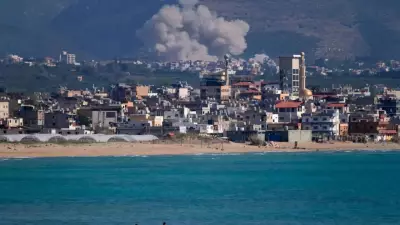
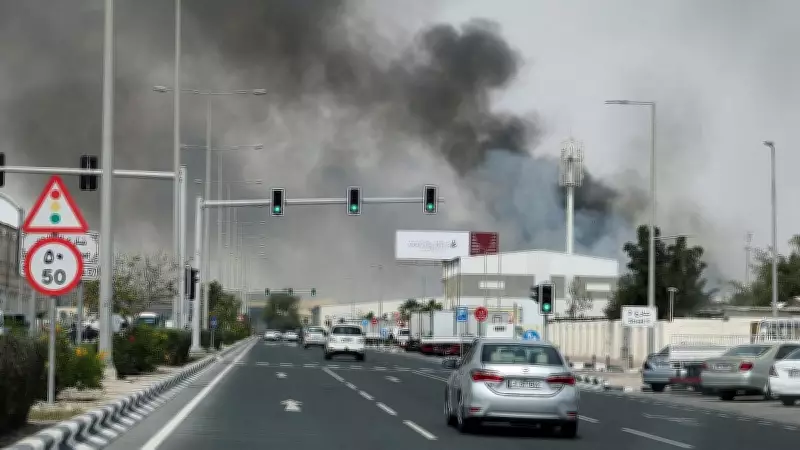
Recent targeted attacks on critical gas fields in the Middle East have raised significant concerns about a potential surge in global energy prices. These incidents are part of a broader strategic campaign, with Israel openly stating its intent to destroy essential infrastructure, including electricity and water services, to weaken Iran both economically and militarily.
Escalating Tensions and Infrastructure Targeting
Israel has been vocal about its efforts to cripple Iran by attacking key infrastructure components. This approach aims to disrupt Iran's economic stability and military capabilities by focusing on vital sectors such as energy, electricity, and water supply. The recent gas field attacks are seen as an extension of this strategy, directly impacting the region's energy production and export capabilities.
Impact on Global Energy Markets
The Middle East is a crucial hub for global energy supplies, and any disruption to its gas fields can have far-reaching consequences. Analysts warn that these attacks could lead to:

- Increased volatility in oil and gas prices worldwide.
- Supply chain disruptions affecting countries dependent on Middle Eastern energy exports.
- Economic repercussions for both regional and global markets, potentially leading to higher costs for consumers and industries.
Such developments underscore the interconnected nature of global energy markets, where regional conflicts can quickly translate into international economic challenges.
Broader Implications for Regional Stability
Beyond the immediate economic impact, these attacks highlight the ongoing geopolitical tensions in the Middle East. The targeting of gas fields not only threatens energy security but also exacerbates existing conflicts, potentially drawing in other nations and complicating diplomatic efforts. This situation raises questions about the long-term stability of the region and its ability to maintain consistent energy outputs amid escalating hostilities.
As the situation evolves, stakeholders from governments to energy companies are closely monitoring developments, with many preparing contingency plans to mitigate potential price spikes and supply shortages. The outcome of these tensions could shape energy policies and market dynamics for years to come.