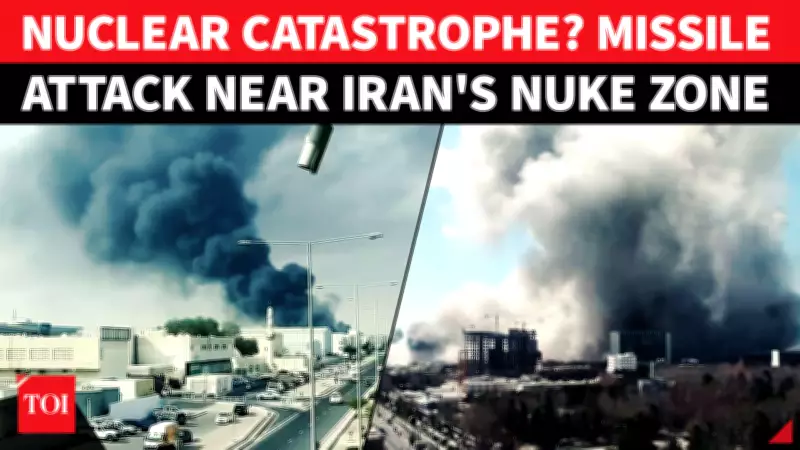
Missile Incident Near Bushehr Nuclear Power Plant Sparks Escalation in Iran-Israel Conflict
A significant escalation occurred in the ongoing conflict between Iran and Israel, as a projectile targeted an area near Iran's Bushehr nuclear power plant. According to reports from pro-IRGC accounts, Iran allegedly responded with a tit-for-tat strike on Israeli nuclear facilities, including the Dimona and Negev research centers. This development marks a dangerous turn in the third week of the U.S.-Israeli war on Iran, raising concerns about potential nuclear accidents.
Details of the Bushehr Incident and IAEA Response
The International Atomic Energy Agency (IAEA) confirmed that Iran informed them of the projectile hitting the premises of the Bushehr Nuclear Power Plant on Tuesday evening. In a statement posted on X, the U.N. nuclear watchdog emphasized that no damage to the plant or injuries to staff were reported. IAEA chief Rafael Grossi reiterated his urgent call for maximum restraint during the conflict to mitigate the risk of a nuclear accident, highlighting the critical importance of safeguarding such facilities amidst hostilities.
Alleged Iranian Retaliation and Broader Conflict Context
Following the attack near Bushehr, pro-IRGC sources claimed that Iran launched a retaliatory strike against Israeli nuclear sites, specifically targeting Dimona and the Negev nuclear research center. This alleged response underscores the escalating tit-for-tat dynamics in the region, as both sides engage in military actions. The conflict, which involves the United States and Israel against Iran, has seen previous incidents, including missile launches and drone attacks, contributing to a volatile security environment.

Implications for Regional Stability and International Concerns
The missile strike near the Bushehr nuclear plant and the alleged retaliation raise serious questions about regional stability and the potential for further escalation. Key implications include:
- Nuclear Safety Risks: Attacks near nuclear facilities heighten fears of accidental radiation releases or sabotage, posing threats to public health and the environment.
- Diplomatic Tensions: The incident may strain international relations, with calls for de-escalation from global bodies like the IAEA.
- Military Preparedness: Both Iran and Israel are likely to bolster their defenses, potentially leading to increased arms expenditures and strategic posturing.
- Humanitarian Impact: Ongoing conflicts in the region have resulted in casualties and displacement, with this escalation possibly exacerbating humanitarian crises.
As the situation unfolds, monitoring by international agencies and diplomatic efforts will be crucial to prevent further deterioration. The IAEA's role in ensuring nuclear safety remains paramount, with Grossi's warnings serving as a reminder of the high stakes involved in such confrontations.