Mumbai's Versova-Bhayander Coastal Road: A Clash of Ecology and Development
The ambitious Versova-Bhayander coastal road project in Mumbai has ignited a heated debate, pitting significant transport benefits against severe ecological concerns. As construction progresses, the project faces scrutiny over its handling of environmental impacts and community welfare.
Fisherfolk Excluded from Public Hearings
In a controversial move, public hearings for the coastal road did not include separate sessions for fishing communities. Officials justified this by stating that the project alignment does not pass through any traditional fishing villages. However, this decision has raised alarms among local fisherfolk who fear their livelihoods may be indirectly affected.
Authorities Acknowledge Livelihood Impacts
Despite the exclusion from hearings, authorities have recognised that construction activities along creeks and the loss of mangroves could adversely impact fisherfolk livelihoods. They have committed to providing compensation and rehabilitation measures, but these will be based on findings from yet-to-be-completed assessments.

Scientific Study Commissioned but Delayed
The Central Marine Fisheries Research Institute in Versova has been tasked with conducting a comprehensive socio-economic impact study. This includes baseline surveys and identifying affected persons for compensation planning. Critically, fisherfolk report that ground-level surveys have not yet begun, even as construction activity has already started, leading to concerns about timely and accurate impact assessments.
Ecological Toll: Massive Mangrove Loss
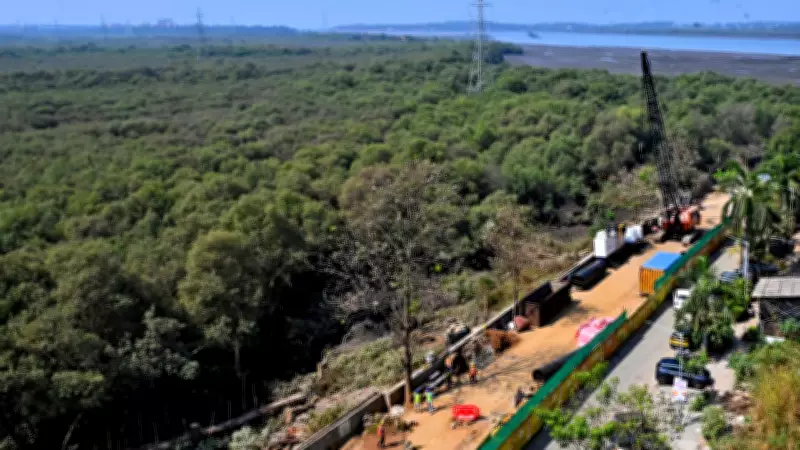
The project is expected to affect approximately 103 hectares of mangrove land, posing a severe threat to sensitive coastal ecosystems. Mangroves play a crucial role in coastal protection, biodiversity, and carbon sequestration, making their destruction a major environmental issue.
Promised Restoration Efforts Face Skepticism
In response to ecological concerns, authorities have promised a large-scale mangrove restoration plan, aiming to plant nearly 37,000 trees. However, experts caution that mangrove plantation is notoriously complex and often has low success rates, casting doubt on the effectiveness of these mitigation measures.
Transport Benefits Highlighted by Officials
Proponents of the project argue that it will deliver substantial transport benefits, improving connectivity for nearly 50 lakh people daily in the Mumbai Metropolitan Region. Officials claim the road will reduce travel time and enhance overall transport efficiency, with benefit estimates based on regional mobility studies covering a projected population of over 2 crore.
Ecology vs Development Debate Intensifies
Protests and public discourse have highlighted a significant gap between official environmental assessments and local experiences. Key concerns include:
- Tree loss and ecological disruption in affected areas
- The absence of heritage trees, as officials stated no trees in the project area meet criteria for age, size, rarity, or cultural importance
- Delays in implementing compensation measures for impacted communities
This project underscores the ongoing challenge of balancing urban development with environmental sustainability and social equity in one of India's most populous metropolitan regions.