

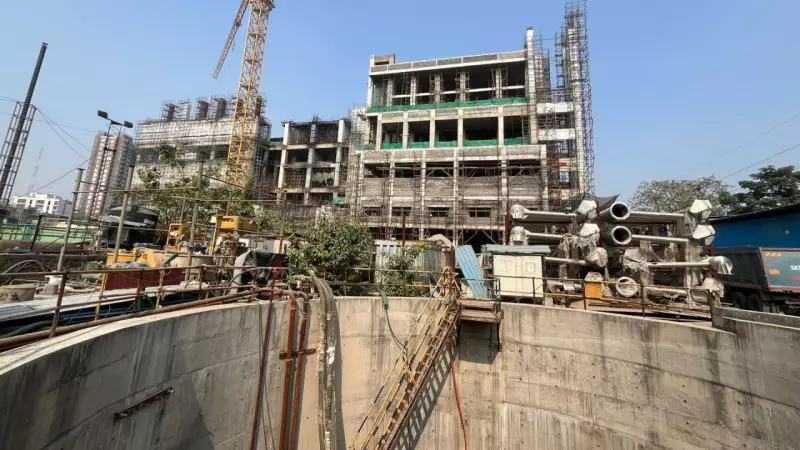
In a significant move to address one of its most persistent environmental challenges, Mumbai has greenlit a massive Rs 2,000-crore investment in two large-scale infrastructure projects aimed at reviving the heavily polluted Mithi River. Announced on December 19, 2025, this initiative is being hailed as the city's most comprehensive effort yet to tackle the river's core issues: the continuous discharge of untreated sewage and chronic flooding in its tidal stretches during monsoons.
Underground Tunnel to Intercept Sewage Flow
The cornerstone of the cleanup strategy is a major underground diversion tunnel designed to intercept dry-weather sewage before it ever reaches the Mithi. For decades, major feeder drains have been dumping wastewater directly into the river. The new tunnel, spanning 6.63 kilometres between Bapat Nalla near the airport and Safed Pul Nalla at Saki Naka, aims to break this cycle.
This closed network will reroute the captured sewage to the upcoming Dharavi wastewater treatment facility. Civic authorities estimate the system will trap approximately 168 million litres of sewage per day from these two major drains alone. This volume represents more than half of the Mithi's total estimated sewage load, a level of interception never before attempted in the city's previous river-cleaning projects.

Tackling the Tidal Stretch and Encroachment Hurdles
The second phase of the project, with a budget of Rs 1,700 crore, focuses on the polluted tidal portion of the river from CST Bridge in Kurla to Mahim Causeway. This area suffers from a dual problem: sewage inflow and seawater ingress, leading to foul, stagnant water and repeated flooding in adjacent neighbourhoods.
To manage this, the plan includes installing gate-and-pump mechanisms at 18 discharge points along the river. These systems are designed to block tidal backflow and help evacuate stormwater during heavy rains. The project also involves constructing new sewer lines, retaining walls, service roads, a pumping station at Machchimaar Colony, and an interceptor at Vakola.
However, a major challenge looms. Officials have identified nearly 2,000 encroaching structures within the project zone, with large clusters in Kurla, Vakola, and near Maharashtra Nature Park. The successful removal and rehabilitation of these encroachments are critical, as delays could severely hamper construction of walls, pipe-laying, and site access.
Long Road to a Sustainable Revival
While tunnelling and shaft construction are reportedly nearing completion, authorities caution that visible improvements in water quality will only materialise once the Dharavi treatment plant becomes operational. Until treated discharge begins, the intercepted sewage cannot be fully diverted away from the river.
Environmental experts have welcomed the focus on sewage diversion but warn that it is not a silver bullet. They stress that for the Mithi's revival to be sustainable, the city must also consistently control the dumping of solid waste, monitor industrial discharge, and regulate unregulated riverbank activities. Without this holistic approach, they fear the heavy public spending may not yield long-term benefits.
This ambitious twin-project approach represents Mumbai's latest and most costly attempt to heal the Mithi River, transforming it from a neglected drain into a healthier urban waterbody.






