

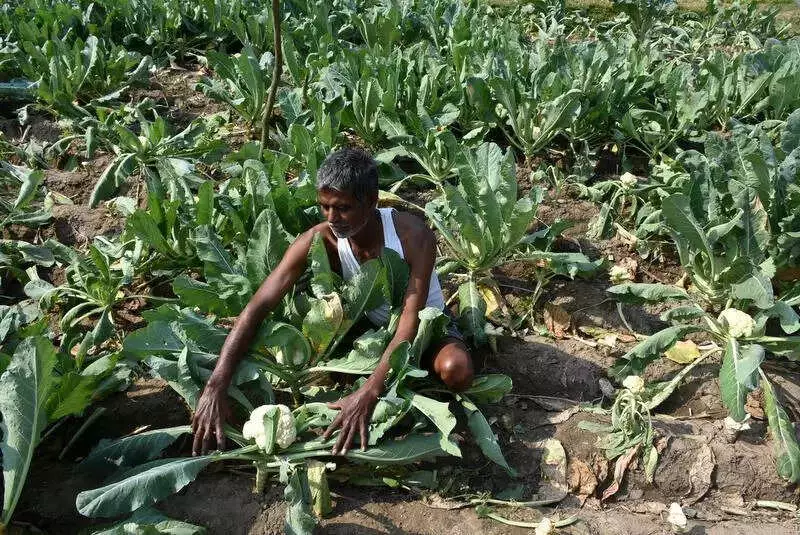
A severe cold spell has tightened its grip over Mysuru and Chamarajanagar districts in Karnataka, causing significant distress to the local population, agricultural yields, and livestock. The unseasonal chill, persisting for several days, has raised alarm bells among the farming community as it threatens to undermine crop harvests and animal health.
Crop Damage and Stunted Growth
The timing of the cold wave is particularly problematic as it coincides with crucial agricultural phases. While the harvesting of paddy and pulses is currently underway, the rabi crops sown between mid-October and mid-November are showing clear signs of stunted growth. This is a direct consequence of the sharp and sustained drop in temperatures, which experts link to broader climate change patterns alongside other environmental factors.
Vegetable cultivations are among the hardest hit. Sensitive winter varieties including potatoes, tomatoes, and beans face a high risk of frost damage. The sudden chill has disrupted normal crop development across several areas, sparking genuine fears of substantial yield losses. Agricultural scientists note that while some crops benefit from cooler weather, prolonged exposure to low temperatures can devastate sensitive vegetables.

Widespread Impact on Agriculture and Livestock
For the past five days, minimum temperatures in the twin districts have lingered around 12°C to 20°C. This range has adversely impacted key winter crops like maize and a wide array of vegetables. The effect extends to other rabi-season vegetables grown using water from pumps and borewells across multiple taluks.
The cold's reach is not limited to food grains and vegetables. Cash crops like sugarcane are also suffering. Seedlings planted last month are experiencing delayed sprouting and stunted growth, a development that could negatively influence final yields. The problem is compounded for farmers like Sannamarigowda from Horalalli village in T Narasipura taluk. He reports that his three-acre maize crop has been hit by pest infestation following the temperature drop, with leaves turning yellow and brittle.
Livestock welfare is another major concern. Animals including cattle, buffaloes, and sheep are struggling to cope with the harsh cold conditions, adding to the farmers' woes.
Official Advisories and Precautionary Measures
Agricultural authorities have taken note of the crisis and are urging immediate action. KH Ravi, the Joint Director of Agriculture in Mysuru, confirmed that the intense cold wave over the last two days has damaged standing crops such as field beans, maize, and various vegetables. He has directed farmers to seek expert guidance from agriculture officers and technicians at their nearest Raitha Samparka Kendras (Farmers' Contact Centres).
Echoing this sentiment, Sumanthkumar, an agricultural scientist at the Naganahalli Krishi Vigyan Kendra, stressed the importance of farmers strictly adhering to the protective instructions issued by scientists and department officials. These measures are crucial for safeguarding both crops and domestic animals during this challenging period.
The collective advice from experts focuses on implementing practical steps to shield crops from frost and manage temperature stress, aiming to mitigate the potential economic fallout for the agrarian community in the region.






