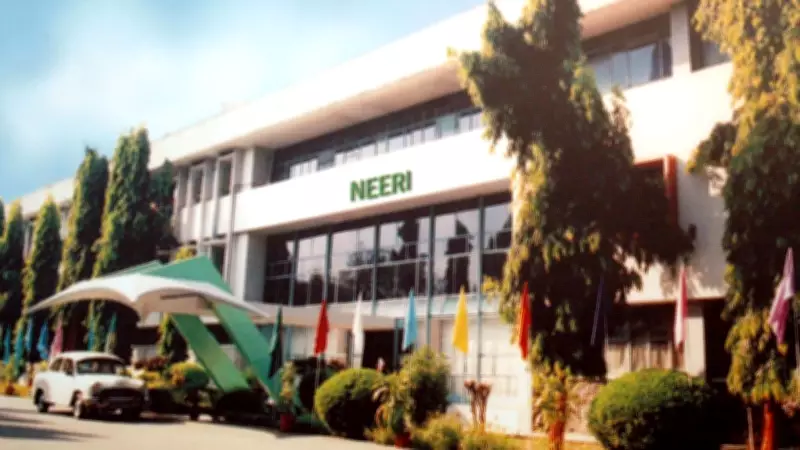
NEERI to Launch Study on Delhi's Industrial Wastewater Treatment Requirements
In a significant move to address environmental concerns, the National Environmental Engineering Research Institute (NEERI) is set to commence a comprehensive field study starting February 6. This initiative aims to evaluate whether Delhi requires additional facilities to treat industrial wastewater, particularly in light of ongoing pollution issues affecting the city's drains and the Yamuna river.
Mapping Wastewater Generation in Non-Conforming Areas
Experts from NEERI, operating under the Union Ministry of Science and Technology, will conduct an in-depth assessment of industrial wastewater generation across Delhi's 27 non-conforming industrial areas. These zones, where industries operate in locations not originally designated for such activities as per the city's Master Plan, often lack proper sewerage and treatment infrastructure. The study will focus on determining the necessity for more common effluent treatment plants (CETPs), which are shared facilities designed to treat wastewater from clusters of small and medium industries.
Background and Objectives of the Study
The study was awarded last December by the Delhi State Industrial & Infrastructure Development Corporation (DSIIDC) and comes at a time when the Union government has recently eased norms to expedite the establishment of CETPs. A gazette notification issued on January 28 exempts these plants from requiring environmental clearance, aiming to reduce procedural delays. However, the study will delve into whether this move alone is sufficient to tackle the pollution crisis.

Current Capacity and Utilization Challenges
According to data from the Delhi Pollution Control Committee (DPCC), Delhi currently has 13 CETPs with a combined capacity to treat over 200 million liters per day (MLD) of wastewater. Despite this, only about 30% of this capacity is utilized, highlighting significant inefficiencies. The NEERI study will investigate factors contributing to this underutilization, including the type of industries, wastewater quantities, and the nature of effluents being generated.
Focus on Non-Conforming Industrial Clusters
The 27 non-conforming industrial areas identified for assessment span nearly 2,000 hectares. Layout plans for 20 of these areas have already been prepared and submitted to the Municipal Corporation of Delhi for approval. DSIIDC officials indicate that the study may recommend the need for two to five additional CETPs, particularly in larger clusters where industries such as dyeing, chemical, and similar units are concentrated.
Challenges in Implementation
While the exemption from environmental clearance is expected to streamline processes, several hurdles remain. Land availability poses a major challenge, as most industrial land is privately owned. Industrial associations must come forward to provide land, and any proposed land use must conform to the Master Plan. Additionally, approvals from land-owning agencies like the Delhi Development Authority (DDA) are required, making the setup of new CETPs a multi-step endeavor.
Expert Insights and Recommendations
Environmental researcher and policy analyst Dr. Fawzia Tarannum emphasized that the contamination reaching the Yamuna often results from wastewater bypassing CETPs or plants unable to handle specific pollutant loads. She noted that missing or non-functional conveyance lines and the inability of CETPs to treat heavy metals and complex chemicals are key issues. Tarannum suggested that while new CETPs might be necessary in some locations, upgrading existing plants and fixing pipeline networks should be prioritized.
Broader Context and Stakeholder Perspectives
Delhi-based Yamuna activist Pankaj Kumar pointed out that the exemption from environmental clearance addresses only one layer of procedural delay. He stressed that without upgrading existing CETPs and strictly enforcing discharge standards, the impact on the Yamuna will remain limited. The study aims to provide a holistic view, considering not only the need for new infrastructure but also improvements to current systems to ensure effective wastewater management and pollution control in the capital.