New Waste Rules Face Old Challenges as India's Garbage Crisis Persists
Effective from April 1, 2026, the stringent Municipal Solid Waste Rules will test the resolve of local bodies across India, particularly in regions like Punjab where systemic failures have long plagued waste management efforts.
Decade of Failure Despite Existing Regulations
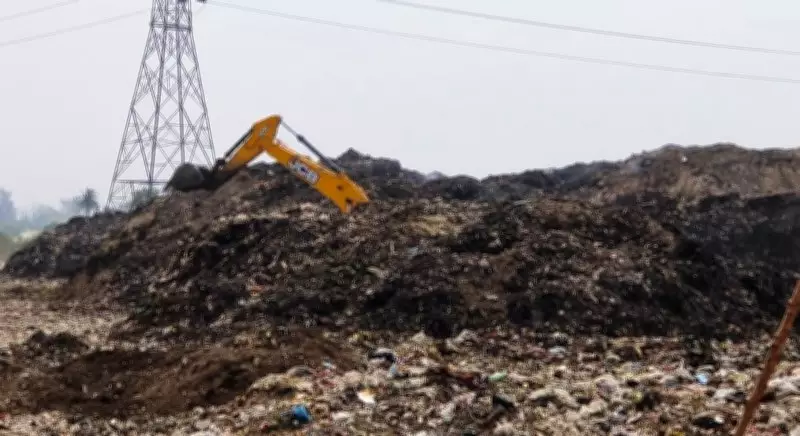
Despite the 2016 Municipal Solid Waste Rules being in force for nearly a decade, Punjab's urban landscape remains a stark testament to systemic failure. Mountains of garbage in many districts of North India reflect the inability of successive governments to manage the escalating waste crisis. The improper segregation of dry and wet waste, along with plastics, underscores the authorities' ongoing struggle to clear this growing mess.
Already grappling with challenges in door-to-door waste collection, segregation, and landfill clean-up, many states are set to face even greater hurdles with the new rules. Punjab's 166 Urban Local Bodies are buried under legacy waste, mounting legal penalties, and a persistent lack of administrative will.

What the New 2026 Rules Entail
The Union Ministry of Environment, Forest and Climate Change has issued the Solid Waste Management Rules, 2026, which supersede the 2016 guidelines. Notified under the Environment (Protection) Act, 1986, these rules integrate Circular Economy principles and Extended Producer Responsibility, emphasizing efficient waste segregation and management.
Key mandates include:
- Mapping and assessment of all legacy waste sites with time-bound plans for biomining and bioremediation.
- Quarterly progress reporting via an online portal to enhance transparency.
- Introduction of an environmental compensation levy based on the "Polluter Pays" principle for violations like unregistered operations or improper waste management.
- The Central Pollution Control Board will draft guidelines, while State Pollution Control Boards enforce compensation.
A senior official noted that while implementation efforts are underway, tackling this issue remains extremely challenging, with little headway made by successive governments in addressing the crisis or cleaning up illegal dump sites.
The Mirage of 100 Percent Collection
The 2016 MSW mandate required Urban Local Bodies to establish door-to-door waste collection, segregation, and sanitary landfills within five years. Ten years later, the situation remains bleak. District Environment Plans for areas like Sangrur, Malerkotla, and Patiala claim 100 percent door-to-door collection, but reality reveals littered streets filled with mixed waste and trash piles up to 20 meters long.
In a recent National Green Tribunal hearing, the Sangrur Municipal Council claimed to have cleared waste sites, but applicants alleged temporary relocation before hearings. The NGT has instructed the civic body to submit a time-bound action plan for legacy waste management within four weeks. In districts such as Ludhiana, Jalandhar, Malerkotla, and Ferozepur, the problem is even more alarming.
Footing the Bill for Failure
Advocate Kamal Anand, leading the legal battle at the NGT, revealed that since 2021, the Punjab Pollution Control Board has levied Rs 171 crore in environmental compensation against state ULBs. He highlighted the irony that these penalties, based on the "Polluter Pays" principle, are ultimately passed on to taxpayers—already burdened with multiple taxes for services rarely received.
"The state government must hold officers accountable. Until then, nothing will change. Officers responsible for this failure should bear the financial burden of these fines," Anand told The Tribune.
The Upcoming 2026 Framework
The new rules introduce a comprehensive framework to address waste management gaps:

- 4-stream segregation: Waste must be separated into Green (wet), Blue (dry), Red (sanitary), and Black (hazardous) bins.
- Digital tracking: The CPCB will implement a portal to monitor waste from generation to disposal.
- Biomining deadline: All legacy waste sites must be remediated by October 2026.
- Industrial RDF usage: Industries must adopt refuse-derived fuel, manage plastic waste, meet recycling targets, and ensure proper disposal.
However, littered plastic bottles and packaging in tourist areas and cities tell a different story, indicating persistent implementation challenges. As the new rules take effect, the true test will be whether local bodies can overcome historical failures and enforce these stringent measures effectively.