National Green Tribunal Acts on Water Contamination Reports
The National Green Tribunal took suo motu action on Tuesday. It addressed serious allegations of water contamination in three Indian states. The states involved are Uttar Pradesh, Rajasthan, and Madhya Pradesh.
Notices Issued to State Authorities
The principal bench issued formal notices to concerned authorities. Justice Prakash Shrivastava chairs the bench. Expert member Dr. A Senthil Vel also serves on it. The tribunal directed state pollution control boards to respond. Regional offices of the environment ministry must also reply.
Officials need to explain the ground situation. They must detail any measures taken to address contamination. The Central Pollution Control Board received similar directions. It must file its own response to the tribunal.

Media Reports Trigger Tribunal Action
Two newspaper reports prompted this legal action. The Times of India published one story on January 8. It described sewage in drinking water in Greater Noida. Several residents reportedly fell ill after consuming contaminated water.
A Hindi daily from Rajasthan published another report on January 4. It highlighted similar contamination issues in that state. These reports emerged shortly after the Indore water tragedy. Multiple deaths occurred in that incident due to contaminated water.
Specific Allegations and Health Concerns
The TOI report provided disturbing details. Residents of Greater Noida's Sector Delta-1 experienced vomiting and diarrhea. Children were among those affected. Authorities repaired leaks and distributed medicines afterward. However, residents expressed ongoing fear. They worried about a repeat of the Indore tragedy.
The same report mentioned Bhopal. E Coli bacteria contaminated drinking water there. Sewage leakage into tube-wells caused this problem.
The Hindi newspaper report described infrastructure failures. Corroded, decades-old pipelines allowed sewage to mix with drinking water. Several Rajasthan cities faced this issue. The affected cities include:
- Udaipur
- Jodhpur
- Kota
- Banswara
- Jaipur
- Ajmer
- Bora
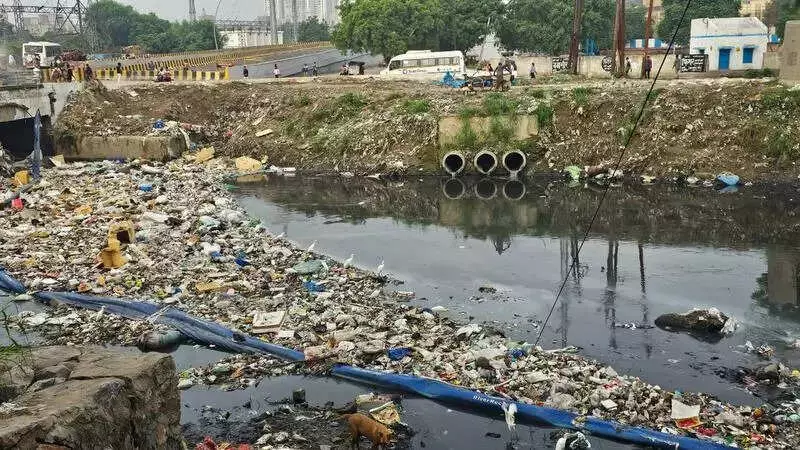
Photographs accompanied these reports. They showed drinking water pipelines passing through open sewage drains. This situation creates grave public health risks.
Legal Framework and Tribunal's Mandate
The tribunal registered the matter as an original application. It acknowledged the serious environmental and health concerns. The media reports highlighted potential violations of environmental laws.
Two key statutes are relevant here. The Environment (Protection) Act of 1986 establishes pollution control standards. The Water (Prevention and Control of Pollution) Act of 1974 specifically addresses water quality.
The tribunal stated its examination goals clearly. It wants to ensure accountability among authorities. Compliance with environmental laws is essential. Protecting citizens' right to safe drinking water remains the ultimate objective.
Ongoing NGT Scrutiny in Delhi-NCR
This case joins several others before the tribunal. Nearly half-a-dozen cases address sewage discharge issues. Proper management of liquid waste in Delhi-NCR is a recurring concern. Noida and Greater Noida feature prominently in these proceedings.
The NGT already formed a joint committee for Greater Noida. This committee monitors open sewer discharge in the area. The tribunal also sought responses from the Noida Authority. It wants restrictions on sewage discharge into the Kondli irrigation canal.
Another matter involves sewage treatment plants in Noida. The tribunal requested reports on drain water quality. It examines water entering and exiting these plants. Treated water must meet standard norms for fecal coliform and chemical concentrations.
The National Green Tribunal continues its vigilant oversight. Water contamination cases receive priority attention. Public health protection drives these judicial interventions across multiple states.