

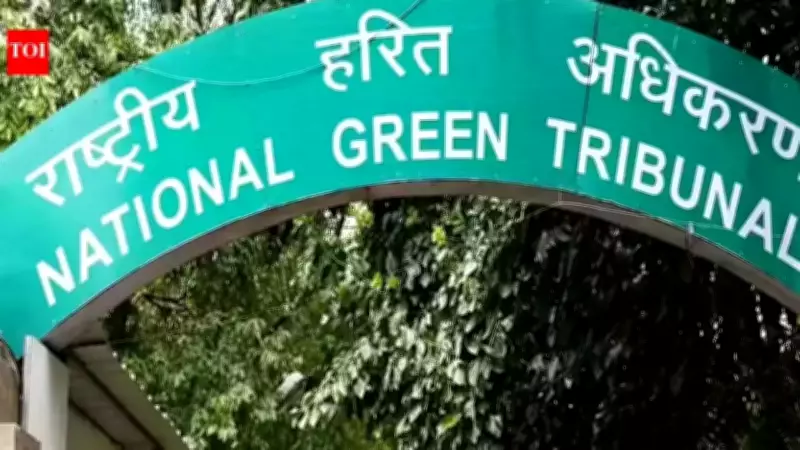
National Green Tribunal Takes Action Against Illegal Mining in Odisha
The National Green Tribunal (NGT) has taken a significant step by issuing formal notices to several key authorities within the Odisha government. This action stems from serious allegations of illegal laterite stone extraction and unauthorized tree felling activities occurring at Ramachandrapur in the Khurda district.
Petition Highlights Environmental Violations
The order was delivered by the NGT's East Zone Bench during a hearing for a petition submitted by Madhusudan Palai and two other residents of Khurda district. The petition presented a detailed account of alleged illegal quarrying operations that reportedly commenced at the Ramachandrapur Laterite Stone Quarry-2 site in January of this year. According to the petitioners, these activities were initiated without securing any of the mandatory statutory clearances required by law.
Advocates Sankar Prasad Pani and Ashutosh Padhy, representing the petitioners, made compelling submissions before the tribunal. The bench, comprising judicial member Arun Kumar Tyagi and expert member Dr. A. Senthil Vel, carefully reviewed the submissions and the documented evidence presented.

Notices Issued to Key Officials and Departments
In response to these substantial environmental concerns, the tribunal has officially issued notices to a comprehensive list of Odisha government authorities. The recipients include:
- The Chief Secretary of Odisha
- The Khurda Collector and District Magistrate
- The Director of Mines and Geology
- The Tehsildar of Tangi
- The Deputy Director of Mines (Khurda Circle)
- The Member Secretary of the Odisha State Pollution Control Board
- The Member Secretary of the State Environment Impact Assessment Authority
- The Superintendent of Police, Khurda
The order, which was issued on March 11 and subsequently uploaded on March 14, mandates that all respondents must file their detailed replies within a strict timeframe of four weeks. The tribunal has scheduled the next hearing for this critical environmental matter on April 16.
Detailed Allegations of Unauthorized Operations
According to the petition, the sequence of events began when the Deputy Director of Mines for the Khurda Circle issued an official advertisement on September 12, 2025. This advertisement called for the auction of eight quarries, which included both Ramachandrapur Laterite Stone Quarry-1 and Quarry-2.
The petition alleges that the successful bidder for Quarry-2 began clearing the land and felling trees at the site on January 11, 2026. Crucially, these actions were reportedly undertaken without obtaining several essential permissions, including:
- Environmental Clearance
- Consent to Establish (CTE)
- Consent to Operate (CTO)
- A formal lease agreement
- Necessary transit permits
Petitioners Seek Comprehensive Remedial Measures
In their plea for intervention, the petitioners have urged the NGT to take several decisive actions to address the alleged environmental damage. Their requests include:

- The constitution of an independent committee to conduct a thorough assessment of the environmental damage caused by the illegal activities.
- A precise quantification of the volume of morrum and laterite stone that has been allegedly extracted illegally from the site.
- Determination of the market value of the extracted materials, the estimated cost for full ecological restoration, and the appropriate amount of environmental compensation to be recovered from the private respondents involved.
- Directions to fix responsibility on government officials for their alleged inaction in preventing these violations.
- Initiation of legal prosecution against all individuals and entities involved in the illegal mining operations.
- Direct orders to the concerned authorities to immediately begin restoration of the affected land and undertake extensive plantation efforts to rehabilitate the ecosystem.
This case highlights the ongoing challenges in regulating mining activities and enforcing environmental laws, bringing significant scrutiny to the administrative and regulatory mechanisms in Odisha's Khurda district.





