

Odisha Forest Fires Surpass 2,000 Active Points as Officials Brace for March Surge
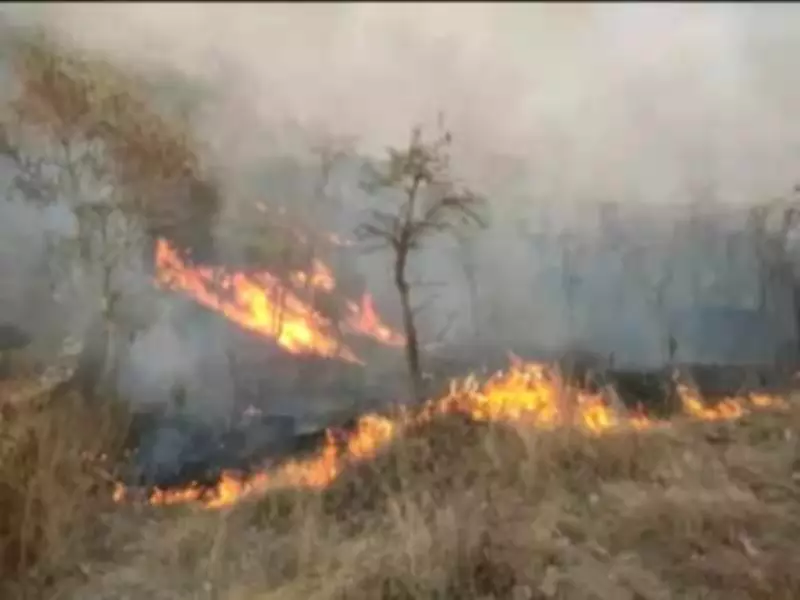
Satellite data has revealed a concerning escalation in forest fires across Odisha, with the total number of active fire points in state forests crossing the 2,000-mark on Saturday. A total of 304 fire incidents were reported on that day alone, signaling a severe environmental crisis as the region enters the peak fire season.
Regional Breakdown and Immediate Threats
The Nabarangpur forest division reported the highest number of fire points at 76, followed closely by Baripada division with 40, Dhenkanal with 38, and Keonjhar with 23. These divisions are known for their dense forest cover, which serve as critical habitats for elephants and various other wild animals. The situation is particularly alarming given that temperatures have only recently touched 30 degrees Celsius in some areas, yet fires are already raging uncontrollably.
A senior forest official, responsible for monitoring these incidents, stated, "More than 95% of fire points are attended to, and they are doused before they spread. However, the present trend suggests that in March, daily active fire points may exceed 500." This projection underscores the urgency of the situation, as the forest department mobilizes resources to combat the impending surge.

Current Control Measures and Historical Context
In the past two days alone, more than 700 fire points were detected across 39 forest divisions in Odisha. The official noted that the fires are currently under control on a temporary basis, with a phase of moderate fire points expected to continue for several days. "This phase may persist even without rain, as the moist and damp ground could prevent major outbreaks. Most of the fires are ground fires and not crown fires," he explained, highlighting the nature of the blazes.
Forest officials attribute the majority of these fires to human activities, which become rampant from February to April each year. Villagers often burn dry leaves while collecting mahua flowers, a practice that inadvertently leads to forest fires. This man-made origin complicates prevention efforts, requiring targeted community engagement and stricter enforcement.
Similipal Tiger Reserve: A Case Study in Innovation
The Similipal Tiger Reserve, known for its hilly and high-terrain topography, has historically recorded the most fire incidents in the state. However, this year, the situation has shown improvement, thanks in part to rainfall over the past two days. This reserve, which witnessed its worst-ever fires in 2021, is now leveraging technology to enhance its firefighting capabilities.
In a proactive move, Similipal has inducted 50 mini drones across both its north and south divisions to track real-time fire incidents. These drones are designed to supplement the fire detection capabilities of AI-based cameras, creating a comprehensive monitoring system. The integration of these tools is expected to significantly reduce the spread of fires by enabling quicker detection and access to fire points.
As Odisha faces this escalating environmental challenge, the forest department's readiness and technological adoption will be crucial in mitigating damage and protecting the state's rich biodiversity. With March poised to bring even higher fire counts, ongoing vigilance and innovative strategies remain paramount.






