

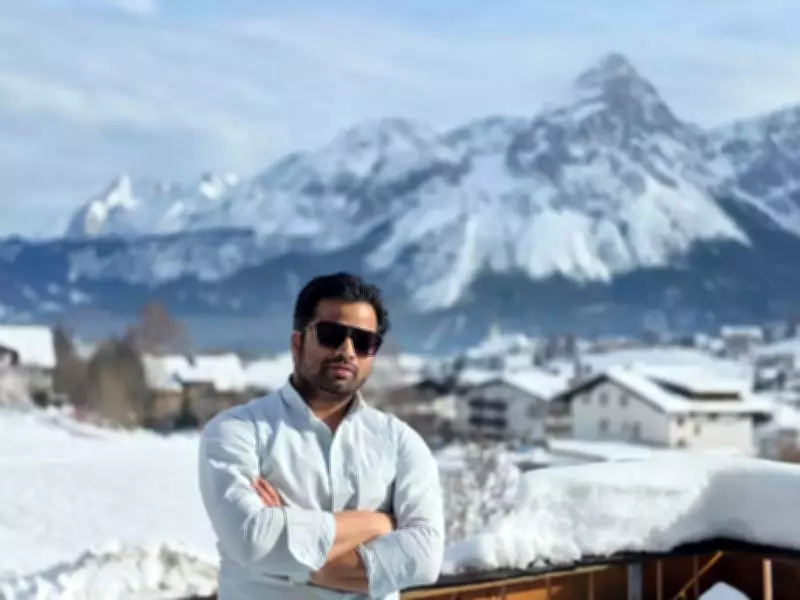
Odisha Surgeon's 20-Day Nightmare: Stranded in West Asia Amid Israel-Iran Conflict
What should have been a routine one-day journey spanning two time zones turned into a harrowing 20-day ordeal for Dr Siddharth Pattanayak, a robotic urology surgeon from Bhubaneswar, as he found himself stranded in West Asia amid escalating military tensions. The Israel-Iran conflict, marked by missile strikes and airspace closures, transformed his trip back to work in Munich, Germany, into a costly and traumatic experience.
From Routine Travel to Crisis Mode
Dr Pattanayak, based at Bogenhausen Hospital in Munich, was returning from a brief visit to his hometown in Odisha. His planned itinerary on February 28 involved flying from Bhubaneswar to Bangalore, then to Bahrain for a 17-hour layover, before finally reaching Munich. To optimize his time, he obtained a visiting visa and left Bahrain International Airport with his friend Y Ravikumar to explore Manama.
However, the situation deteriorated rapidly when air strikes targeted the US 5th Fleet naval base, prompting authorities to shut down the airport. Dr Pattanayak was unable to re-enter as planned, forcing him to abandon his check-in baggage, which remains missing to this day. For safety, Ravikumar arranged accommodation at a friend's residence in Manama.

Navigating Closed Airspace and Diplomatic Channels
With Bahrain's airspace completely closed due to the conflict, Dr Pattanayak began a desperate struggle to exit the country. Through connections with Dr Swalehin Bux, a cardiologist friend, he contacted Arun Praharaj, founder of the Bahrain Odia Samaj. This network proved crucial in securing a request letter from the Indian embassy for a transit visa to Saudi Arabia.
After ten days of uncertainty, on March 11, he embarked on a risky overland journey. He took a taxi from Bahrain to the Saudi Arabian border, then used local transport to reach Dammam, relying on the embassy's letter for his transit visa. He arrived at the airport by 11 am, hoping to catch a flight to Jeddah for onward connections to Amsterdam and Berlin.
Further Delays and Health Complications
His troubles were far from over. Scheduled to depart Jeddah at 10 pm, Dr Pattanayak's flight was repeatedly disrupted due to air strikes on an oil facility and poor visibility from smoke. After multiple boardings and deboardings, the flight was ultimately canceled around 5 am on March 12.
With assistance from a local contact, he traveled to Jeddah via Riyadh, spending Thursday night and all of Friday at the airport before securing a flight to Amsterdam. He arrived at 8:40 am on March 14, then continued to Berlin, reaching his destination late that night.
By this time, a fever he had contracted in Bahrain had worsened significantly. He reported losing his sense of taste and hearing during the ordeal, symptoms that persist. Dr Pattanayak required five days of recuperation in Berlin before finally returning to Munich on March 20.
Financial and Personal Toll
The journey, which typically costs around Rs 70,000 and involves a straightforward route from Bhubaneswar to Delhi to Munich, ballooned to Rs 2.3 lakh due to emergency arrangements and extended stays. Dr Pattanayak estimates needing at least another fortnight to fully recover from the physical and emotional strain.
This incident highlights the severe impact of geopolitical conflicts on ordinary travelers, underscoring the vulnerabilities faced by Indians abroad during international crises.






