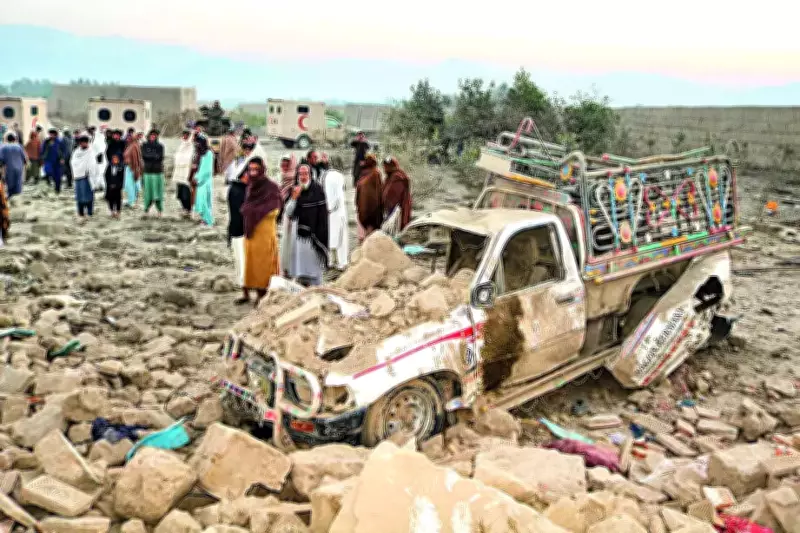
Pakistan Reports Heavy Casualties Among Afghan Taliban in Border Conflict
Pakistan's Information Minister Attaullah Tarar announced on Saturday that approximately 300 Afghan Taliban fighters and allied group members have been killed in recent cross-border clashes with Pakistani security forces. In a late-night update, Tarar provided detailed figures, stating that 297 combatants of the Afghan Taliban were killed and more than 450 others sustained injuries during the ongoing military engagements.
Operation Ghazab lil-Haq: Key Military Achievements
The minister elaborated on the outcomes of Operation Ghazab lil-Haq, highlighting significant tactical successes by Pakistan's armed forces. According to Tarar, the military operations resulted in the destruction of 89 Taliban posts and the capture of an additional 18 strategic positions. Furthermore, approximately 135 tanks and armoured vehicles belonging to the Taliban were neutralized, severely impacting their operational capabilities.
In a notable escalation, the Pakistan Air Force conducted precision strikes, effectively targeting around 29 locations across Afghanistan. These aerial assaults were part of a broader response to what Pakistani officials describe as aggressive actions by Afghan forces.

Background and Escalation of Tensions
The operation was initiated following reports that Afghan forces attacked 53 locations along the more than 2,600-kilometer border shared by the two neighboring countries. This cross-border violence has exacerbated long-standing tensions between Islamabad and Kabul, with Pakistan accusing Afghanistan of harboring militant groups.
Addressing a press conference on Friday evening, Pakistan Army spokesperson Lieutenant General Ahmad Sharif Chaudhry issued a stern warning to the Afghan Taliban regime. He emphasized that the Taliban must make a "clear choice" between supporting terrorist organizations or maintaining peaceful relations with Pakistan. "The oppressive Afghan Taliban regime has to make a clear choice. The choice is to choose between Tehreek-i-Taliban Pakistan, Baloch Liberation Army, Daesh, Al Qaeda, the terrorists and terrorist organisations—and Pakistan," Chaudhry stated unequivocally.
Underlying Accusations and Diplomatic Stalemate
Islamabad has persistently accused Kabul of allowing groups such as the Tehreek-i-Taliban Pakistan (TTP) and other terrorist entities to operate freely from Afghan territory. Pakistani authorities allege that these groups receive residence, training, and logistical support in Afghanistan, enabling them to launch cross-border attacks. In contrast, the Afghan side has consistently rejected these claims, urging Pakistan to address its internal security challenges through diplomatic dialogue with militants rather than military action.
The recent clashes underscore the deepening rift between the two nations, with both sides entrenched in their positions. As casualties mount and military operations intensify, the prospects for a peaceful resolution appear increasingly distant, raising concerns about regional stability and security.