Pakistan and Afghanistan Engage in Border Fire Amid Diplomatic Moves
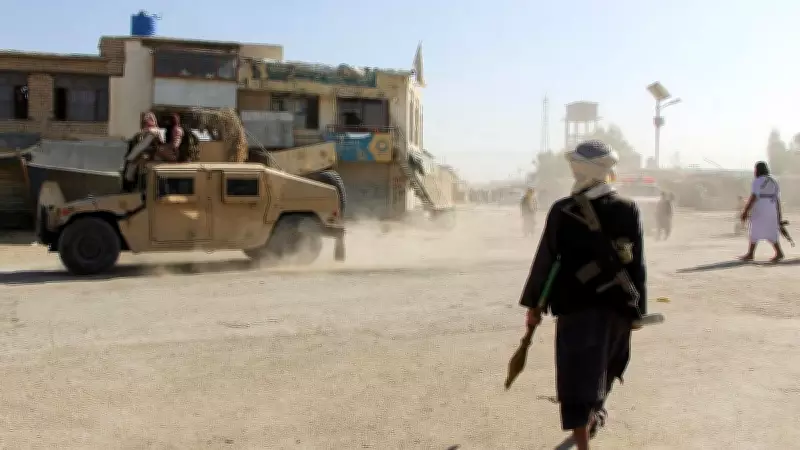
On Sunday, tensions flared along the Pakistan-Afghanistan border as both nations exchanged fire, marking a significant escalation in regional instability. This incident occurred on the same day that Pakistan hosted discussions with regional powers focused on reducing hostilities in the Middle East, highlighting a stark contrast between diplomatic efforts and on-ground conflicts.
Timing of Clashes Coincides with High-Stakes Talks
The border clashes unfolded as Pakistan announced its potential role in facilitating talks between the United States and Iran in the coming days. According to Reuters, this development underscores Islamabad's strategic positioning in international diplomacy, even as it grapples with immediate security challenges along its western frontier.
Key details from the report indicate that the fire exchange was not isolated but part of ongoing tensions between the two neighboring countries. The timing is particularly noteworthy, as it raises questions about the impact of such incidents on broader peace initiatives in the region.

Pakistan's Dual Role: Host and Conflict Participant
Pakistan's involvement in both hosting de-escalation talks and engaging in border skirmishes presents a complex picture of its foreign policy. The country has positioned itself as a mediator in Middle East conflicts, yet faces persistent security issues with Afghanistan, often attributed to cross-border militant activities and territorial disputes.
- The clashes occurred on March 30, 2026, as confirmed by Reuters.
- Pakistan's announcement about hosting US-Iran talks aims to foster dialogue amid rising Middle East tensions.
- Regional powers participated in the discussions, emphasizing collective efforts toward stability.
This juxtaposition of conflict and diplomacy highlights the fragile nature of peace in South Asia and the Middle East. Experts suggest that such border incidents could undermine trust-building measures essential for successful negotiations.
Implications for Regional and Global Stability
The border fire between Pakistan and Afghanistan adds another layer of complexity to an already volatile region. As Pakistan prepares to potentially host US-Iran talks, the effectiveness of these diplomatic efforts may be tested by ongoing hostilities. The situation calls for urgent de-escalation to prevent further deterioration of bilateral relations and to support broader peace initiatives.
In summary, while Pakistan advances its diplomatic agenda by facilitating talks between major powers, the recent border clashes with Afghanistan serve as a reminder of the persistent challenges that threaten regional harmony. The coming days will be crucial in determining whether these diplomatic moves can translate into tangible peace outcomes.