Viral Video of Firefighters Using Buckets Sparks Pakistan Emergency Preparedness Debate
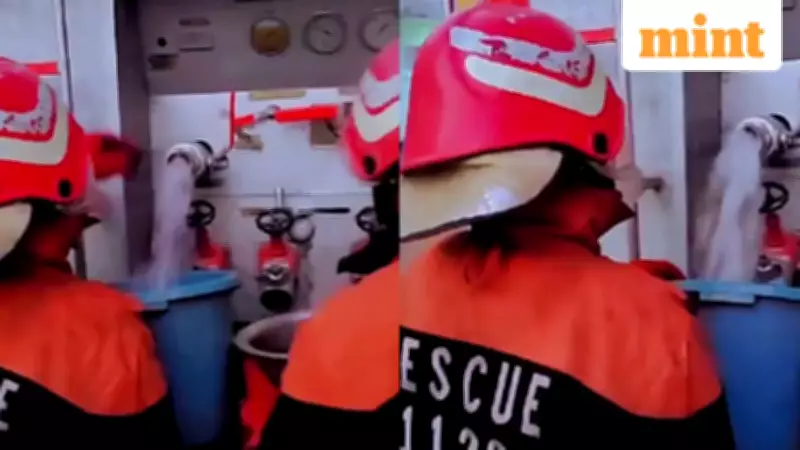
A widely circulated video that allegedly shows first responders in Pakistan attempting to extinguish a residential building fire using buckets of water has triggered a significant public debate about emergency preparedness and the state of public safety infrastructure. The clip, which has gained substantial traction across various social media platforms, depicts firefighters manually transporting buckets of water to the affected area rather than utilizing fire tenders or pressurized hoses that are standard equipment in urban firefighting operations.
A Fire Incident and an Unconventional Response
According to claims accompanying the viral footage, the incident occurred in a residential neighborhood where local residents had alerted the fire brigade expecting a conventional emergency response. What unfolded instead surprised bystanders and observers: firefighters appeared to be relying on basic, manual tools instead of mechanized equipment typically associated with modern firefighting.
In one recording from the scene, a bystander can be heard questioning the responders' level of preparedness, with the video suggesting visible frustration among onlookers about what many perceived as a concerning lack of adequate resources and proper equipment for handling such emergencies.

Social Media Reactions: Infrastructure Deficiencies or Circumstantial Constraints?
The footage spread rapidly across digital platforms, with numerous users framing it as compelling evidence of underfunded emergency services and significant infrastructure gaps. Several social media posts argued that frontline responders are frequently forced to manage high-risk situations without proper equipment, raising serious concerns about both public safety and the personal risks faced by firefighters themselves.
One user mockingly commented, "Gosh! #Pakistan still lives in the Stone Age."
Another observer wrote, "Just look at the speed and urgency they are operating at. They are going through the motions. No actual interest in putting out the fire. Suppose they know whatever they are doing will not work, but they know they have to show they are working."
A third user pointed out, "Let's focus on our issue. We couldn't rescue a guy from a drain for 2 hours."
Other social media participants cautioned against directly blaming emergency workers, suggesting that they might be operating under constraints beyond their immediate control. While some responses expressed genuine alarm and dismay about the situation, others resorted to sarcasm and dark humor to highlight what they perceived as a troubling scenario unfolding in a modern urban setting.
Critical Details Remain Unverified and Unclear
Despite the strong reactions and widespread sharing of the video, several critical details about the incident remain unverified. The exact location, precise timing, and specific circumstances surrounding the fire have not been independently confirmed by official sources. Furthermore, it remains unclear whether equipment malfunction, logistical delays, or local constraints influenced the emergency response captured in the viral footage.
Nevertheless, the powerful visuals have reignited important conversations around funding allocations, training protocols, and operational capacity within public safety systems. For many viewers across Pakistan and beyond, the video has come to symbolize deeper structural challenges—highlighting the significant gap between public expectations of modern emergency response capabilities and the practical realities faced by those tasked with delivering these essential services on the ground.
This report is based on user-generated content circulating on social media platforms. The claims presented have not been independently verified by official sources, and the circumstances depicted require further investigation and confirmation.