Pakistan Realizes Afghanistan Won't Be Vassal State, Expert Says
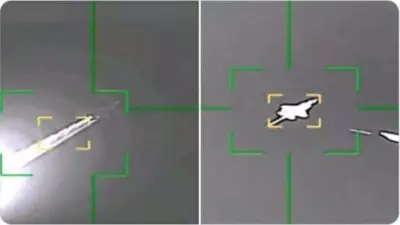
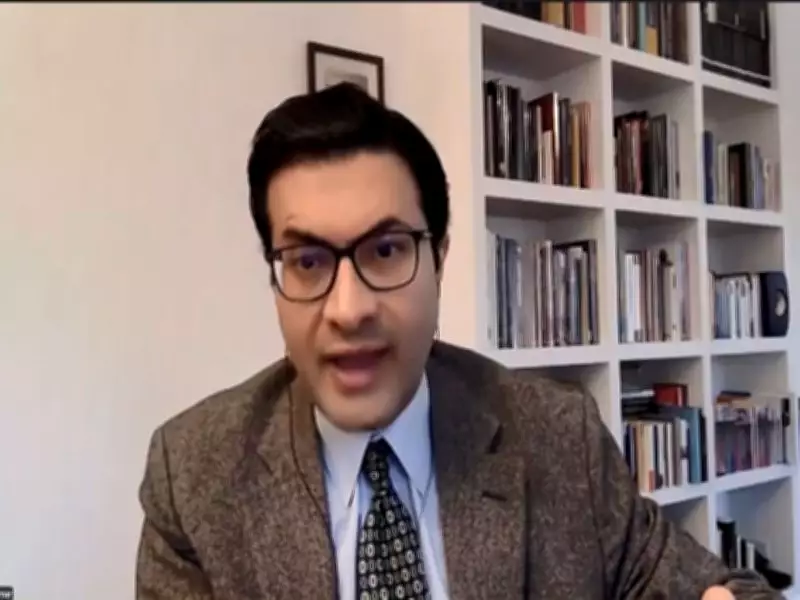
Burzine Waghmar, an Iranian and Pakistan studies expert at the University of London, has declared that Pakistan has come to a stark realization: Afghanistan will not serve as its vassal state. This insight follows Pakistan's recent airstrike on the Omid Addiction Treatment Hospital in Kabul, highlighting escalating tensions between the two nations.
Grim Realization of Taliban 2.0
Waghmar explained to ANI that Pakistan now understands Taliban 2.0 is a different kettle of fish from Taliban 1.0. He noted that Pakistan has categorically informed Beijing there is no point in discussing matters with Kabul, as Afghanistan refuses to meet Pakistan's basic demands. This marks a significant shift from Pakistan's long-held policy of seeking strategic depth in the region, a strategy honed since the 1950s.
The collapse of this strategic depth policy has left Pakistan in a precarious position. Despite being militarily and economically superior to Afghanistan, Pakistan is now forced to confront the reality that its neighbor will not bow to its influence. Waghmar emphasized that Pakistan is currently adopting a stance of riding out the consequences, come what may.

China Steps In as Mediator
In response to the growing conflict, China has offered to mediate between Afghanistan and Pakistan. Chinese Foreign Ministry Spokesperson Lin Jian announced on X that Foreign Minister Wang Yi has held phone conversations with his Afghan and Pakistani counterparts over the past week. Additionally, China's Special Envoy on Afghan Affairs has been shuttling between the two countries, with Chinese embassies maintaining close communication with both sides.
Lin Jian stated, China hopes Afghanistan and Pakistan will remain calm and exercise restraint, engage face to face ASAP, achieve a ceasefire at the earliest opportunity, and resolve differences and disputes through dialogue. He affirmed that China will continue to facilitate reconciliation and ease tensions, underscoring Beijing's role as a potential peacemaker in the region.
Implications for Regional Stability
The evolving dynamics between Pakistan and Afghanistan signal a major shift in South Asian geopolitics. Key points include:
- Pakistan's acknowledgment that its strategic depth policy has failed.
- Afghanistan's firm stance against being a client state under Taliban 2.0.
- China's active involvement as a mediator, reflecting its growing influence in the region.
This situation highlights the complex interplay of power, diplomacy, and conflict resolution in a volatile part of the world. As tensions simmer, the international community watches closely, with China's mediation efforts offering a glimmer of hope for de-escalation.