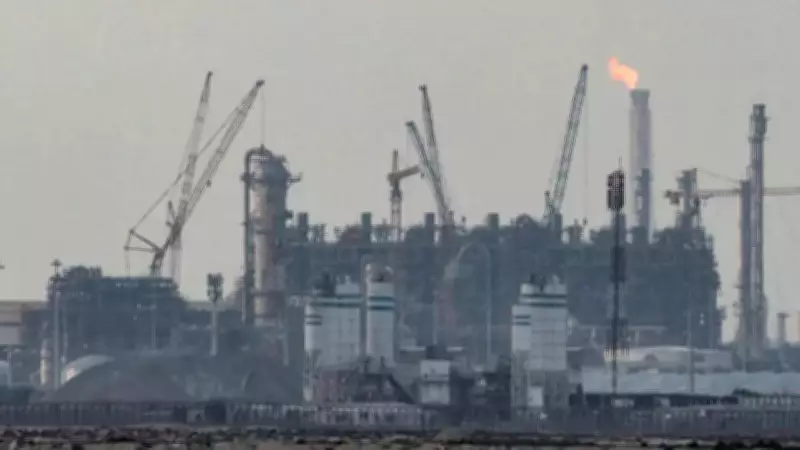
Qatar to Fully Shut Gas Liquefaction Operations Amid Escalating Middle East Tensions
In a significant development impacting global energy supplies, Qatar will completely halt its gas liquefaction operations on Wednesday, according to sources familiar with the matter cited by Reuters. This decision comes as tensions in the Middle East escalate dramatically following recent attacks involving the United States, Israel, and Iran, along with Tehran's retaliatory strikes across the region.
Security Concerns Drive Shutdown of Critical LNG Infrastructure
The shutdown affects Qatar's liquefied natural gas (LNG) production infrastructure, which is crucial to global energy markets. As one of the world's largest LNG exporters, Qatar plays a pivotal role in supplying natural gas to numerous countries. The move is driven by growing security concerns over the widening conflict, which has seen Israel attack Iran, the US and Israel engage in military actions, and Iran launch a massive missile strike at a US airbase in Bahrain, with Israel also bombing Beirut.
The escalating crisis has led to broader regional disruptions, including 38 Indian ships being stuck in the Persian Gulf and three sailors reported dead. Additionally, the United States has ordered non-emergency staff at its consulates in Karachi and Lahore, Pakistan, to leave due to safety risks, highlighting the widespread impact of the conflict.

Extended Timeline for Restarting Operations Post-Shutdown
According to the Reuters sources, restarting operations will take considerable time once the facilities are halted. They indicated that early assessments show the process of bringing the facilities back online after a complete shutdown will be lengthy. Specifically, the sources noted, "Once restarted, Qatar would need at least another 2 weeks to reach full capacity." This delay could have significant implications for global LNG supply chains, potentially leading to price volatility and shortages in importing nations.
The decision underscores the fragility of energy infrastructure in conflict zones and the rapid spread of geopolitical risks across the Middle East. As the situation continues to evolve, stakeholders in the energy sector are closely monitoring developments, with concerns mounting over prolonged disruptions to Qatar's LNG exports, which are vital for meeting global energy demands.