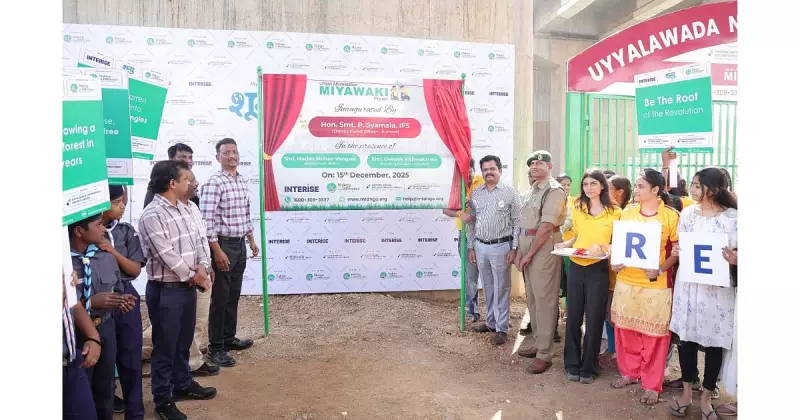
In a significant push towards eco-friendly infrastructure, Roadway Solutions Limited (REPL) has embarked on an ambitious green initiative along National Highway 40 (NH-40). The company has undertaken a large-scale Miyawaki plantation drive, planting a staggering 14,000 native saplings to create dense, fast-growing forests alongside the crucial highway corridor.
Engineering Green Corridors for Sustainable Development
This project is a core part of REPL's commitment to integrating environmental stewardship with its engineering and construction expertise. The initiative specifically targets the development of sustainable green corridors along highways. By adopting the renowned Miyawaki method, REPL aims to rapidly enhance green cover, improve local biodiversity, and contribute to carbon sequestration directly adjacent to transport infrastructure.
The plantation drive was officially launched with a ceremonial event. Shri Nilesh K. Mundra, Managing Director of REPL, along with other senior company officials, planted the first saplings to mark the commencement of the project. This hands-on involvement from leadership underscores the strategic importance REPL places on sustainable development practices.

The Miyawaki Method: A Blueprint for Rapid Afforestation
Central to this project's potential success is the use of the Miyawaki plantation technique. Pioneered by Japanese botanist Akira Miyawaki, this method involves planting a diverse mix of native plant species very close together. This mimics a natural forest and stimulates competition, leading to growth rates that are up to ten times faster than conventional plantations. These forests also become self-sustaining in a much shorter period, typically within two to three years.
For the NH-40 project, REPL has carefully selected a variety of indigenous species suited to the local climate and soil conditions of West Bengal. This focus on native plants ensures higher survival rates and provides a more suitable habitat for local birds, insects, and microorganisms, thereby actively boosting regional biodiversity.
Beyond Greenery: The Multifaceted Impact
The benefits of this large-scale plantation extend far beyond mere aesthetics. The creation of dense vegetative buffers along NH-40 is expected to act as a natural sound and dust barrier for nearby communities. Furthermore, these mini-forests will help in stabilizing the soil, reducing erosion, and improving groundwater recharge in the area.
This initiative aligns with broader national goals under missions like 'Harit Bharat' and international commitments to combat climate change. It sets a precedent for how infrastructure development companies can proactively offset their environmental footprint and create lasting ecological assets. REPL has expressed its intention to replicate this successful model across other suitable project sites, signaling a long-term commitment to sustainable highway development in India.
The plantation of 14,000 saplings along NH-40 is more than just a corporate social responsibility activity; it is a forward-looking investment in ecological resilience. It demonstrates a modern approach to construction where development and environmental conservation are not mutually exclusive but are engineered to work in tandem for a greener future.