

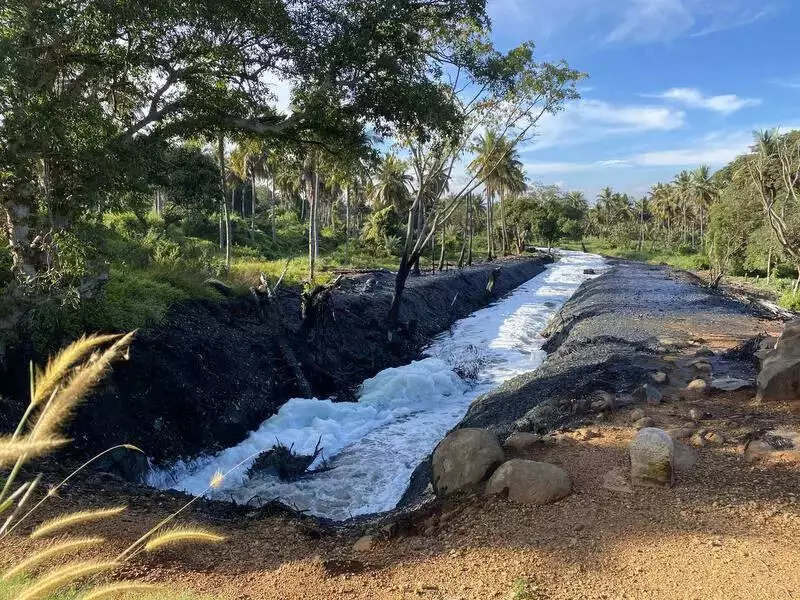
Decades of environmental neglect are set to be reversed for the heavily polluted Byramangala lake on the outskirts of Bengaluru. In a significant move, the Karnataka government has greenlit an ambitious Rs 391-crore revival plan aimed at transforming the contaminated waterbody into a clean and reliable resource within the next three years.
A Long-Awaited Government Approval
The state cabinet has cleared the proposal, with the Minor Irrigation Department and the Bangalore Water Supply and Sewerage Board (BWSSB) tasked with jointly executing the rejuvenation work. NS Boseraju, Minister for Minor Irrigation, confirmed the approval, stating that the BWSSB will lead the charge by establishing a dedicated Sewage Treatment Plant (STP) near the lake. The primary goal is to ensure no raw or untreated sewage from upstream enters the lake, a problem that has plagued it for years.
Minister Boseraju explained that previous attempts to halt sewage inflow, including a proposed diversion canal with the Forest, Environment and Ecology department, were stalled due to a pending petition before the Karnataka High Court. The new plan overcomes these legal hurdles, paving the way for concrete action.

The Crucial Role of the New Sewage Treatment Plant
At the heart of the revival project is a new STP with an estimated cost of Rs 230 crore. BWSSB Chairperson Ram Prasath Manohar detailed that the plant, expected to be operational in three years, will initially treat about 100 Million Litres per Day (MLD) of sewage. The treated water, of ultrapure quality, will then be released into Byramangala lake.
This initiative marks the third phase of a larger project in the Vrushabhavathi valley. Senior engineers noted that the first two phases at Nayandahalli and Mylasandra within Bengaluru are already supplying treated water to fill over 100 lakes in Ramanagara and Nelamangala taluks. While the target is to supply 500 MLD, current supply stands at 225 MLD, with pipeline upgrades underway to achieve full capacity.
Why Byramangala Lake's Revival is Imperative
Spread across 1,000 acres, Byramangala lake was once a lifeline for people in more than 20 surrounding villages. However, untreated sewage flowing from Bengaluru via the Vrushabhavathi river has severely degraded its health. The pollution has persisted because excess runoff beyond the capacity of the existing STPs continues to enter the lake downstream.
The lake's revival has gained added urgency due to the government's focus on developing Bidadi as a satellite township. A clean and dependable water resource is critical for this planned development. As part of the restoration, authorities will also desilt the lake to remove years of pollutant deposits before introducing clean, treated water.
Minister Boseraju set a timeline for the project's completion by 2028-29. This comprehensive effort promises not just to cleanse a vital waterbody but also to restore ecological balance and support future sustainable development in the region.






