Saudi Arabia Confronts Intense Multi-Day Dust Storm Crisis
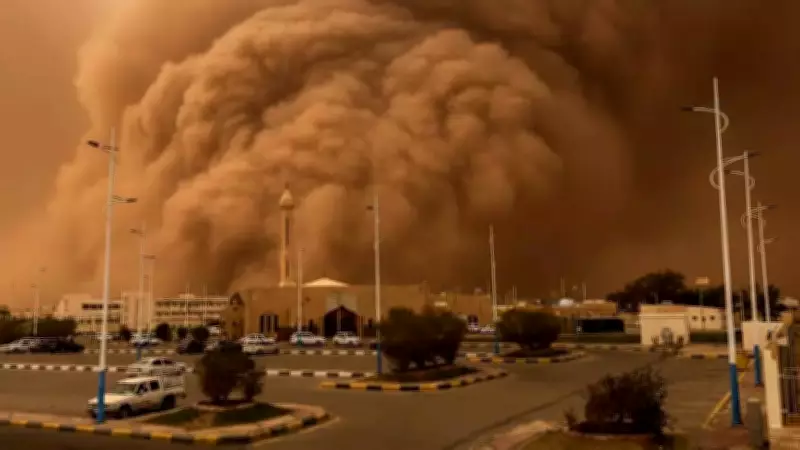
Saudi Arabia is preparing for a prolonged period of severe dust storms, powerful winds, and highly unstable weather conditions that are forecast to impact extensive areas of the Kingdom through Saturday, February 28, 2026. The National Center of Meteorology (NCM), the nation's official meteorological authority, has activated multiple urgent warnings as residents brace for significantly reduced visibility and hazardous environmental circumstances across numerous provinces.
Week-Long Weather Disruption Forecast Across Saudi Regions
From Tuesday, February 24, through Saturday, February 28, the NCM predicts continuous dust storms generated by active wind patterns across major portions of Saudi Arabia. Initial advisories highlighted severe conditions in the Tabuk, Madinah, and Makkah regions, including coastal areas, along with Al-Jawf, the Northern Borders, and Hail provinces.
As the weather system intensified throughout the week, additional territories were incorporated into the unstable forecast, with anticipated effects spreading into Qassim, Riyadh, the Eastern Province, and Najran. Meteorological experts indicate that daytime periods will likely experience the most extreme dust concentration and wind velocity.

Government Authorities Issue Tiered Emergency Weather Alerts
Authorities have warned that robust surface winds will elevate substantial amounts of sand and dust across broad geographical zones, diminishing horizontal visibility to merely a few kilometers intermittently and creating complications for transportation and outdoor operations. The NCM has implemented a stratified alert system across sections of the Kingdom to denote severity levels and projected impacts:
- Red Alerts were declared for segments of the Eastern Province, encompassing Al-Khafji and Hafar Al-Batin, and parts of the Northern Borders, including Al-Uwayqilah and Arar. These critical warnings predict dusty atmospheres reducing visibility to approximately 1 kilometer or less during peak storm intervals.
- Orange Alerts encompassed multiple governorates surrounding Riyadh, such as Al-Zulfi, Shaqra, and Durma, with anticipated horizontal visibility ranging between 1 to 3 kilometers due to intense winds and blowing particulate matter.
- Yellow Alerts extended to southern sectors of Riyadh and adjacent localities, signaling moderate dusty winds and unsettled meteorological patterns.
Satellite imagery disseminated by the NCM revealed dense dust plumes affecting sections of Al-Jawf and the Northern Borders, with near-zero visibility in specific locations as the weather phenomenon evolved.
Additional Meteorological Factors Influencing Weather Patterns
Beyond blowing dust and forceful winds, supplementary climatic elements are contributing to the complex situation. The NCM clarified that a tropical cyclone system in the broader Arabian region, identified as Cyclone Tej, will not make direct landfall in Saudi Arabia. However, its peripheral effects, including moderate to heavy precipitation, dusty surface winds, and elevated sea levels in southern zones like Najran's Al-Kharkhir and Sharurah governorates, may be perceptible early in the week.
Furthermore, wind velocities at sea and along coastal stretches, such as Al-Wajh in Tabuk, Yanbu in Madinah, and Rabigh and Jeddah in the Makkah region, are projected to increase wave heights and present marine dangers, particularly during daylight hours.
The Saudi government continues to monitor the evolving weather scenario closely, urging citizens to exercise extreme caution, limit non-essential travel, and adhere to all safety guidelines issued by meteorological and civil defense authorities throughout this challenging period.