

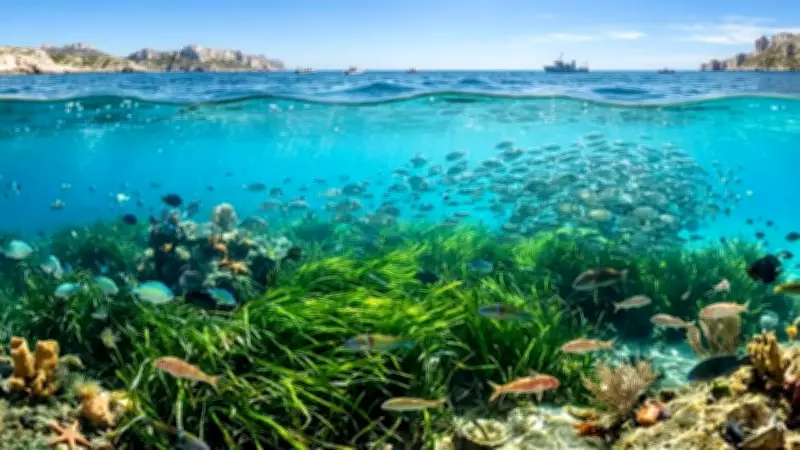
Marseille's Marine Miracle: Seagrass Meadows Bounce Back
The remarkable resurgence of Posidonia oceanica seagrass meadows in Marseille stands as a powerful testament to marine resilience, showcasing nature's incredible capacity to regenerate when human pressures are effectively mitigated. For decades, untreated wastewater from the urban center devastated extensive sections of these vital underwater meadows, which provide crucial ecosystem services including carbon sequestration and habitat for diverse marine species.
From Pollution to Recovery: The Turning Point
The construction of a major wastewater treatment facility in 1987, coupled with the implementation of industrial use restrictions, marked a pivotal moment for Marseille's coastal waters. Research published in Marine Environmental Research confirms that recovery rates have been nothing short of exceptional following these interventions. The primary catalyst for the return of Neptune grass, as the species is commonly known, was the dramatic reduction in organic matter and industrial pollutants entering the marine environment.
By redirecting sewage through the new treatment plant, Marseille significantly decreased water turbidity in the area. This improvement allowed sunlight to penetrate deeper into the ocean, creating optimal conditions for existing seagrass beds that had been dormant or receding for nearly a century to spread naturally across the seabed.

Passive Restoration: Nature's Cost-Effective Solution
The Marseille case study provides compelling evidence that passive restoration—simply removing the sources of degradation—proves far more effective than human-directed planting efforts. These underwater forests have expanded across substantial portions of the seabed through natural recolonization, creating a global model for coastal conservation that demonstrates the long-term success of implementing strict pollution control policies.
Active restoration methods involving the planting of seagrass seedlings typically yield much lower success rates while incurring significantly higher costs. The natural recovery of Posidonia oceanica within the Bay of Marseille illustrates that once water clarity and sediment quality are restored, this species possesses remarkable resilience and regenerative capacity.
Ecosystem Services: The Mediterranean's Underwater Lungs
Often described as the 'lungs of the Mediterranean Sea,' these seagrass meadows perform essential ecological functions including shoreline protection and substantial carbon storage. The European Environment Agency has identified the recovery of these meadows, particularly along the French coastline, as critical to achieving Good Environmental Status under the Marine Strategy Framework Directive.
The resurgence of seagrass near Marseille represents a significant contribution to regional biodiversity, providing habitat for hundreds of different marine species and supporting the overall health of Mediterranean marine ecosystems.
Policy Protection: EU Directives in Action
The sustained health of Marseille's seagrass meadows remains strongly correlated with compliance with the EU's Urban Waste Water Treatment Directive, as confirmed through regular monitoring conducted by the French Water Agency (Agence de l'Eau). Consistent sampling of coastal waters near Marseille indicates reduced levels of heavy metals and nitrogen compounds that previously triggered algal blooms through eutrophication, processes that were suffocating seagrass populations.
This environmental success story underscores how targeted policy interventions, combined with nature's inherent resilience, can produce remarkable ecological recoveries that benefit both marine ecosystems and human communities dependent on healthy coastal environments.






