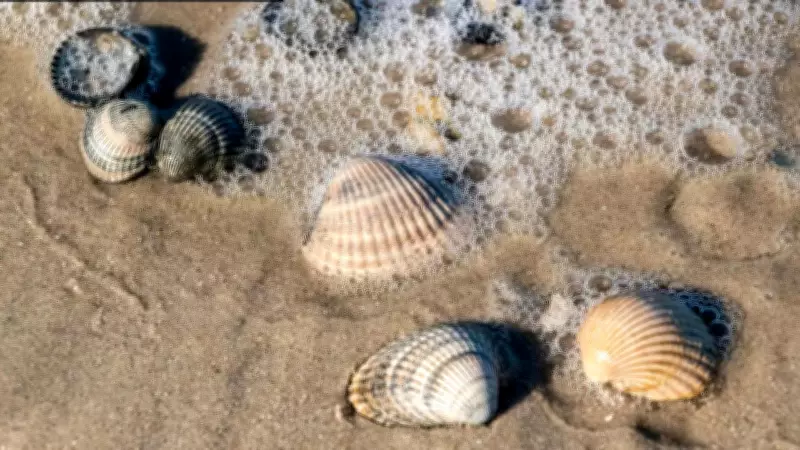
Seashells emerge with quiet elegance along coastlines worldwide. After the tide recedes, they appear almost magically, scattered across the sand in various states of preservation—some perfectly intact, others worn thin by relentless ocean forces. At first glance, they might resemble mere remnants or leftovers, but each shell tells a profound story of life and survival beneath the waves.
The Living Origins of Seashells
Every seashell once served as a protective home for a living creature, typically a small, soft-bodied animal vulnerable to the harsh marine environment. Most shells originate from molluscs, a diverse group including snails, clams, oysters, and mussels. These animals lack internal skeletons, possess minimal natural defenses, and often move slowly or remain stationary. For them, the shell is not just an accessory but a vital survival tool that grows organically with their bodies. When you discover a seashell on the beach, the original inhabitant has usually perished—whether through natural death, decomposition, or predation by other marine life.
How Seashells Are Formed: A Biological Marvel
Contrary to popular belief, molluscs do not simply find their shells; they meticulously construct them through sophisticated biological processes. Along the outer edge of their bodies lies a specialized tissue layer called the mantle. This mantle secretes proteins and minerals, primarily calcium carbonate—the same compound found in chalk and eggshells. The proteins act as a structural framework, while the calcium carbonate fills in this matrix, gradually building a strong, durable shell. This formation occurs layer by layer throughout the animal's life, adapting to its growth and environmental conditions.

The Intricate Layered Structure of Seashells
A seashell is far from a simple, solid object. It comprises multiple distinct layers, each with unique properties and functions. The outermost surface is often textured—sometimes rough, sometimes patterned—serving as the first line of defense against physical damage and erosion. Beneath this lies a denser, harder layer where mineral crystals are tightly packed, providing the shell with its remarkable strength and resistance to breakage.
Closest to the animal's body is the innermost layer, typically smooth and lustrous. Known as nacre or mother-of-pearl, this layer appears delicate but is surprisingly resilient. Its formation involves a different protein mixture secreted by the mantle, which alters how the mineral deposits settle, creating its characteristic iridescent sheen.
The Lifelong Growth and Aging of Seashells
Molluscs retain their shells for their entire lifetimes, unlike crustaceans that shed their exoskeletons. Growth occurs incrementally along the shell's edges, slowly expanding its size outward. Close examination often reveals concentric rings, similar to tree rings, which mark periods of growth influenced by factors like seasonal changes and food availability.
Some shell-bearing animals achieve astonishing longevity. Ocean quahogs, for instance, are renowned for individuals that live for centuries. Their age is silently recorded within the shell's layers, offering scientists valuable insights into historical marine conditions and climate patterns.
The Post-Life Journey of Seashells
After the mollusc dies, its shell embarks on a new chapter. It may drift across ocean currents, roll with waves, or wash ashore. While some shells travel vast distances before landing on beaches, others fragment en route. Over time, most shells do not remain intact; they gradually crack, erode, and transform into sand. On many beaches, especially those with pale, fine sand, a significant portion of the sediment consists of finely ground shell particles. Thus, the shoreline is partly composed of recycled biological material from offshore ecosystems.
The Ecological Role of Empty Seashells
Empty shells are far from worthless in marine and coastal environments. They serve as crucial microhabitats, providing shelter for small organisms like hermit crabs, juvenile fish, and invertebrates. Additionally, shells help mitigate beach erosion by stabilizing sediments and dissipating wave energy. Their removal, even in small quantities, can subtly disrupt local ecosystems, affecting biodiversity and coastal dynamics.

Seashells occupy a unique ecological niche—neither fully alive nor entirely inert. They continue to shape coastlines, interact with hydrological cycles, and fulfill roles they have performed for millennia, albeit more quietly now. This is why environmental scientists and marine biologists strongly advocate leaving shells on beaches whenever possible. Excessive collection can quietly but significantly harm delicate coastal ecosystems, underscoring the importance of mindful beachcombing practices.