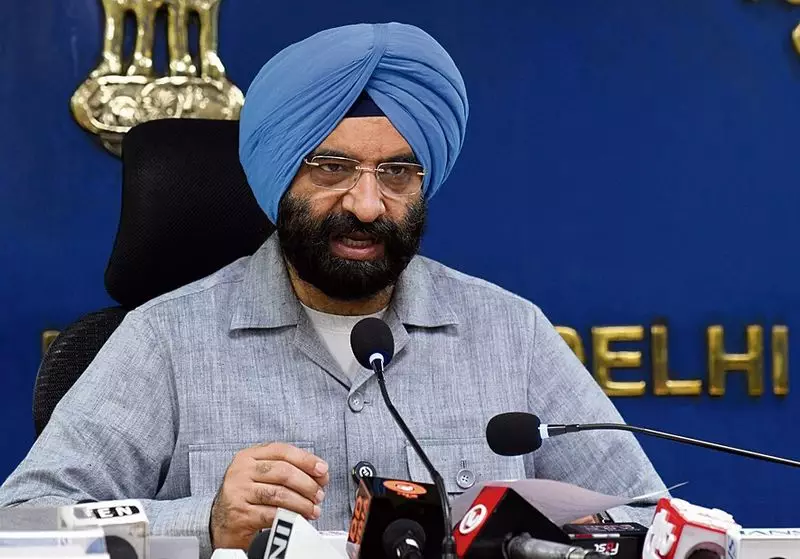
Lieutenant Governor Vinai Kumar Saxena has taken decisive steps to address the severe pollution plaguing the Yamuna river in Delhi. This action follows a comprehensive review of a detailed study conducted by The Energy and Resources Institute (TERI) on the sources and solutions for the river's contamination.
High-Level Review and Directives
LG VK Saxena, often referred to by his ancestral village name Sirsa, chaired a high-level meeting at Raj Niwas to scrutinize the findings of the TERI report. The study was commissioned to provide a scientific and technical roadmap for restoring the health of the Yamuna. During the review, Saxena directed concerned departments to immediately begin implementing the actionable points identified in the study.
The meeting saw the participation of top officials from key agencies, including the Delhi Jal Board (DJB), the Irrigation and Flood Control Department, and the Environment and Forest Department. The LG emphasized that a coordinated and time-bound effort was non-negotiable to achieve visible results in cleaning the national capital's primary river.

Key Findings and Focus Areas
The TERI study pinpointed several critical sources of pollution requiring urgent intervention. A major focus was placed on the functioning of Sewage Treatment Plants (STPs). The report highlighted that many STPs are either underperforming or not meeting the required standards, leading to partially treated or untreated sewage entering the river. Saxena directed the Delhi Jal Board to ensure all STPs are upgraded and operated at optimal capacity.
Another significant issue identified was the discharge of industrial effluents. The LG instructed officials to crack down on industries, particularly in unauthorized colonies and industrial clusters, that are releasing toxic waste into the river's drains and tributaries. Strict monitoring and enforcement of environmental norms were mandated.
The problem of sewage from unsewered areas and the release of wastewater from authorized colonies directly into drains was also discussed. The meeting concluded that a multi-pronged strategy involving the augmentation of sewer networks, prevention of illegal connections, and community awareness is essential.
Accountability and Future Roadmap
LG VK Saxena made it clear that accountability would be fixed for delays or lapses in the execution of these anti-pollution measures. He set a framework for regular follow-up meetings to monitor the progress of each directive issued. The goal is to move from planning to tangible action on the ground.
The TERI study serves as a crucial blueprint, and the LG's directives aim to translate its recommendations into concrete projects. This initiative is part of a broader effort to fulfill the long-standing promise of cleaning the Yamuna, which has suffered from decades of neglect and pollution despite numerous plans and expenditures.
The success of this drive hinges on effective inter-departmental coordination and sustained political and administrative will. Residents of Delhi will be watching closely, hoping that this renewed push led by the Lieutenant Governor will finally lead to a cleaner, healthier Yamuna river for the city.