

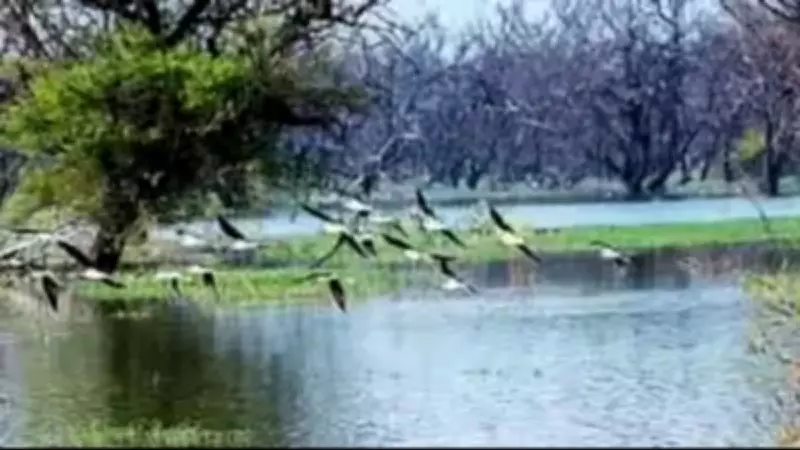
Six Himachal Pradesh Wetlands Identified for Potential Ramsar Convention Inclusion
In a significant development for environmental conservation, six additional wetlands in Himachal Pradesh have been shortlisted for potential designation under the prestigious Ramsar Convention. The identified sites include Rewalsar, Prashar, Khajjiar, Manimahesh, Brighu, and Nako wetlands, which are now under consideration for this global recognition focused on wetland preservation and sustainable use.
Selection Based on International Criteria
The selection of these six wetlands followed rigorous evaluation against nine internationally recognized criteria for Ramsar site identification. Key factors considered included:
- Ecological uniqueness and distinct characteristics
- Rich biodiversity and species diversity
- Significant congregations of waterbirds and avian populations
- Critical habitats for rare, threatened, or endangered species
- Hydrological importance and water system functions
This information was officially presented in the Lok Sabha on Monday by Union Minister of State for Environment, Forest and Climate Change Kirti Vardhan Singh. The disclosure came in response to a parliamentary question raised by former Union minister and current Hamirpur MP Anurag Singh Thakur, highlighting legislative interest in environmental conservation matters.

Existing Ramsar Sites in Himachal Pradesh
Himachal Pradesh currently boasts three wetlands that have already achieved Ramsar site status, demonstrating the state's ecological significance:
- Pong Dam Lake - Designated in 2002, this expansive wetland covers 15,662 hectares, making it one of the largest Ramsar sites in the region.
- Chandertal Wetland - Granted Ramsar status in 2005, this high-altitude wetland spans 49 hectares in the Spiti Valley.
- Renuka Wetland - Also designated in 2005, this 20-hectare wetland represents an important conservation area in the state.
Conservation Efforts and Avian Monitoring
The Lok Sabha was further informed about comprehensive conservation initiatives underway in Himachal Pradesh. The state government conducts annual bird censuses, known as avifaunal surveys, particularly at Pong Dam Lake during winter seasons. Recent surveys have documented several migratory bird species, including the Song Thrush and Uncommon Thrush, emphasizing the wetland's ecological importance as a seasonal habitat for migratory avian populations.
To strengthen conservation frameworks, the state government has developed structured management plans:
- Five-year integrated management plans for all three existing Ramsar sites
- One-year framework management plans specifically for Rewalsar and Dal wetlands
These strategic plans aim to enhance long-term habitat protection, promote scientific research initiatives, and improve climate-resilience strategies for wetland ecosystems.
Capacity Building and National Support
Complementing these management plans, the state government has organized orientation and training workshops for district-level wetland committees across various districts. These programs emphasize a multi-departmental approach to wetland conservation and management, particularly tailored to the unique challenges of hill state ecosystems.
At the national level, the Union Ministry of Environment, Forest and Climate Change is implementing the centrally sponsored National Plan for Conservation of Aquatic Ecosystems (NPCA). This scheme supports wetland conservation, including Ramsar sites, through a cost-sharing arrangement between Central and state governments.
Under the NPCA framework, Himachal Pradesh has received substantial financial assistance for conservation activities:
- Rs 3.14 crore for Pong Dam conservation and management
- Rs 2.59 crore for Renuka Wetland preservation efforts
These funds represent the central government's share in supporting critical wetland conservation initiatives in the state.

The identification of six additional wetlands for potential Ramsar designation represents a significant step forward in recognizing and protecting Himachal Pradesh's rich ecological heritage. As conservation efforts continue to expand, these wetlands stand to gain enhanced protection and international recognition for their vital ecological functions and biodiversity value.





