Snakes stand as some of nature's most fascinating survivors. While many picture them lounging in tropical warmth or hiding in lush forests, certain snake species inhabit environments that seem almost impossible for life. These resilient reptiles have mastered survival in scorching deserts, freezing mountains, and even deep oceans.
Mastering Extreme Conditions
These snakes possess remarkable adaptations that allow them to conquer heat, cold, scarcity, and other challenges. Their survival skills include water conservation, slowed metabolism, specialized body shapes, and clever hunting techniques. They shatter common assumptions about cold-blooded animals, demonstrating incredible adaptability and toughness.
These creatures serve as powerful lessons in resilience, proving themselves as nature's ultimate survivalists. Below, we explore specific snakes that thrive where few other animals could survive.

Snakes That Defy Environmental Limits
Sidewinder Rattlesnake
The Sidewinder Rattlesnake specializes in desert survival. It moves with a distinctive sideways motion that looks like dancing across hot sand. This unique movement minimizes ground contact and reduces heat exposure, conserving precious energy.
Its sand-colored camouflage makes it nearly invisible on dunes. Found in arid regions of the southwestern United States, this snake boasts excellent water-conserving abilities. It can endure long periods without food or water, perfect skills for harsh desert environments.
Russell's Viper
Russell's Viper inhabits hot, humid fields and farmlands across South and Southeast Asia. While intense heat and moisture challenge many snakes, this species has adapted remarkably well.
Known for quick strikes and potent venom, Russell's Viper remains agile and alert even during monsoon conditions or in sun-baked rice paddies. It successfully finds food and avoids danger in landscapes that trouble many other wildlife species.
Saharan Horned Viper
The Saharan Horned Viper earns its name from small horn-like scales above its eyes. Living in the Sahara Desert, this snake excels at disguise.
During the hottest parts of the day, it buries itself beneath the sand, waiting patiently for prey with only its eyes visible. This camouflage technique helps it stay cool under extreme heat, making it one of the Sahara's most successful serpents.
Garter Snake
Unlike desert dwellers, the Garter Snake champions cold climates. In North America, these snakes gather in large groups called hibernacula to hibernate through freezing winters.
By curling together in protected underground spots, they conserve heat and energy until spring arrives. Their adaptability allows them to thrive in forests, wetlands, and even near human settlements, proving snakes don't need tropical heat to succeed.
Yellow-bellied Sea Snake
The Yellow-bellied Sea Snake has abandoned solid ground for ocean life. Built for aquatic survival, it features a flattened body and snorkel-like nostrils that allow breathing without fully surfacing.
This sea serpent can remain submerged for up to 90 minutes, ranking among the best divers of all snakes. Typically found in warm coastal waters, it feeds and moves with grace, demonstrating that extreme survival extends beyond deserts and mountains.
Himalayan Pit Viper
The Himalayan Pit Viper inhabits Asia's rugged mountains, handling thin air, icy winds, and dramatic temperature swings with ease. It possesses heat-sensing pits that help it hunt small mammals and birds on rocky slopes, even during chilly conditions.
This snake absorbs heat from sunny surfaces when available and slows its metabolism as temperatures drop. Its ability to persist at high altitudes makes it one of the world's most remarkable cold-adapted snakes.
African Rock Python
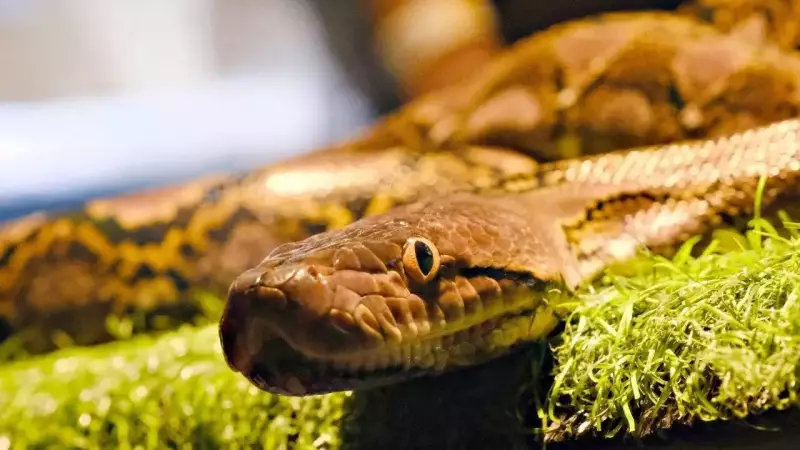
The African Rock Python represents a heavyweight survivor that adapts well to diverse environments. From dry savannas and wet marshes to moist grasslands of sub-Saharan Africa, it lives comfortably across varied habitats.
With its powerful muscular body, this snake tackles a wide range of prey. Its flexible diet helps it endure environments where food availability changes with seasons. This resilience and strength make it one of Africa's most adaptable snakes.

Lessons in Adaptation
These snakes collectively show how life adapts to even the harshest conditions. They challenge our expectations about where reptiles can thrive and demonstrate nature's incredible capacity for innovation. From desert sands to mountain peaks and ocean depths, these survivalists continue to fascinate scientists and nature enthusiasts alike.