

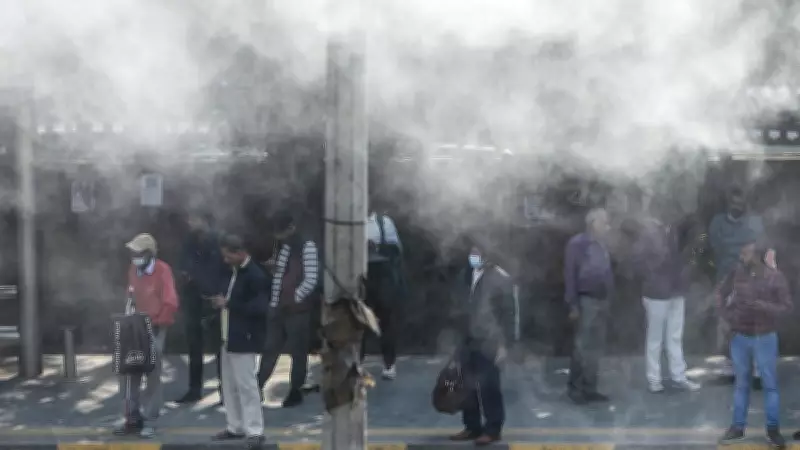
Some men decided the air was safe. Our regulatory imagination must catch up with our scientific knowledge and the experience of women whose bodies have been silently absorbing the cost of our industrial ambitions for decades.
The Hidden Cost of Industrial Progress
For too long, the burden of air pollution has fallen disproportionately on women. From household chores to outdoor exposure, women's bodies have been the silent repositories of toxins released by industries. Yet, the regulatory frameworks governing air quality have been shaped largely by men who may not fully understand these gendered impacts.
Scientific Knowledge vs. Regulatory Reality
While science has advanced significantly in understanding the health effects of air pollutants, regulations have lagged behind. Current standards often fail to reflect the latest research on particulate matter, ozone, and other harmful substances. This gap leaves communities vulnerable, especially those with limited resources to advocate for change.

Women at the Frontline
Women, particularly in low-income and marginalized communities, are often the first to experience the health consequences of poor air quality. Respiratory illnesses, cardiovascular problems, and adverse pregnancy outcomes are just a few of the issues linked to air pollution. Yet, their voices are frequently missing from policy discussions.
A Call for Inclusive Regulation
To address this injustice, regulatory bodies must incorporate diverse perspectives, including those of women and frontline communities. This means updating air quality standards based on the latest science and ensuring that enforcement mechanisms are robust and equitable.
Steps Forward
- Update Standards: Regularly revise air quality guidelines to align with current scientific evidence.
- Include Diverse Voices: Ensure women and affected communities are part of decision-making processes.
- Strengthen Enforcement: Implement stricter penalties for violations and increase monitoring in vulnerable areas.
It is time to move beyond a regulatory imagination that has been shaped by a narrow set of experiences. By listening to those who have borne the brunt of industrial pollution, we can create a healthier, more just future for all.






