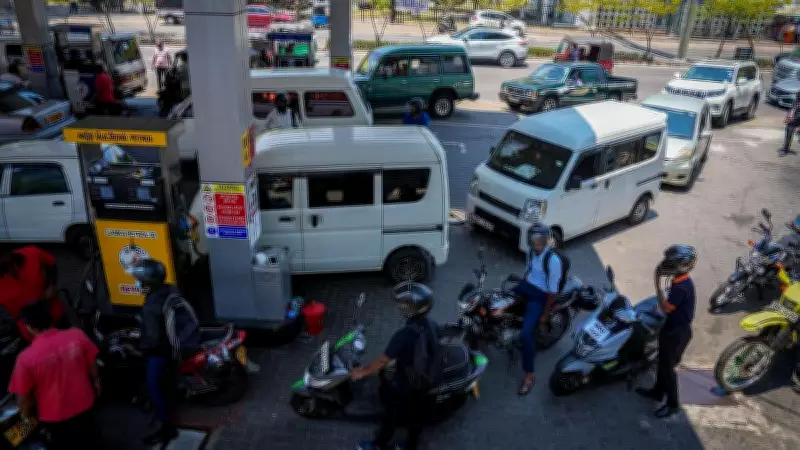
Sri Lanka Announces Emergency 4-Day Work Week Amid Fuel Crisis
In a significant move to address a severe fuel shortage, Sri Lanka has officially declared a four-day work week, following a similar decision by Pakistan. The announcement comes as tensions in the Strait of Hormuz disrupt global oil supplies, impacting nations across South Asia.
Public Holiday Declared for Wednesdays
Commissioner General of Essential Services Prabath Chandrakeerthi confirmed that every Wednesday will be designated as a public holiday, effective from March 18, 2026. This measure aims to reduce fuel consumption by limiting work-related travel and operational activities on that day.
The decision was made in response to the escalating crisis in West Asia, particularly the Strait of Hormuz, a critical chokepoint for oil shipments. Disruptions in this region have led to supply chain issues, causing fuel shortages in several countries, including Sri Lanka.

Impact of the Strait of Hormuz Crisis
The Strait of Hormuz is a vital maritime passage through which approximately one-fifth of the world's oil passes. Recent conflicts and geopolitical tensions in West Asia have threatened the stability of this route, leading to reduced oil flows and higher prices globally.
Sri Lanka, heavily reliant on imported fuel, has been particularly affected. The government's move to implement a shorter work week is part of a broader strategy to manage the crisis and ensure essential services remain functional.
Following Pakistan's Lead
This announcement comes shortly after Pakistan introduced similar measures to combat its own fuel shortages. Both nations are taking proactive steps to mitigate the economic and social impacts of the ongoing West Asia conflict.
Commissioner Chandrakeerthi emphasized that the public holiday on Wednesdays is a temporary but necessary step to conserve fuel reserves and support national stability during this challenging period.
Broader Implications for the Region
The fuel crisis highlights the interconnectedness of global economies and the vulnerability of nations dependent on oil imports. As the situation in West Asia evolves, other countries in the region may consider similar measures to address potential shortages.
Sri Lanka's decision underscores the urgency of the situation and the need for innovative solutions to tackle energy security issues amid international conflicts.