Surat Waste Fire Detected by Satellites, Reignites Despite Municipal Claims
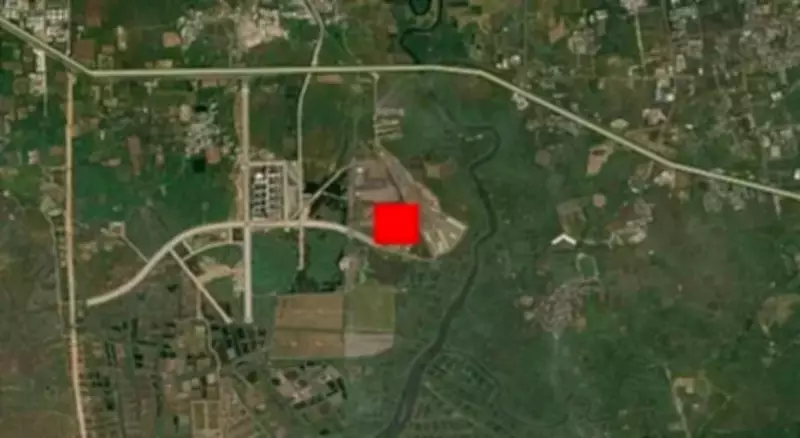
The massive fire at the Khajod waste disposal site in Surat was of such extraordinary intensity that it was clearly detected by satellites, highlighting the immense scale of the environmental incident. Satellite imagery captured strong heat signatures and dense smoke plumes during the blaze, including a significant flare-up reported on Saturday.
Satellite Data Contradicts Official Statements
While the Surat Municipal Corporation (SMC) asserted on Friday that the fire had been brought under control following three days of intensive firefighting operations, satellite data painted a starkly different picture. Heat and smoke emissions were consistently detected from March 24 to March 26, with no such activity recorded before or after this period. However, fresh and distinct heat signatures observed on Saturday confirmed that the fire had reignited, undermining the official declaration of containment.
Ground-level images from the site corroborated the satellite findings, showing thick, billowing smoke and active burning across extensive waste mounds, indicating that the situation remained critical.

Residents Report Severe Health Impacts
On Saturday morning, residents in the southern parts of Surat reported experiencing smog-like conditions accompanied by a powerful and unpleasant stench. Many individuals were forced to cut short their morning walks due to the poor air quality, while videos depicting the pervasive haze circulated widely on social media platforms, amplifying public concern.
"It is deeply unfortunate that we have to endure such hazardous living conditions. I could distinctly smell burning waste from nearly seven kilometres away at Anu Vrat Dwar. The authorities must take decisive and immediate action to prevent such dangerous incidents from recurring," stated Karmavir Bhatt, a local cycling enthusiast.
Darshan Desai, a resident of Bhatar, reported heavy smog along the Udhna-Magdalla Road, labeling it a serious public health concern. "This level of air pollution can severely affect individuals with pre-existing respiratory or health conditions, posing a significant risk to vulnerable populations," he emphasized.
Firefighting Efforts and Operational Challenges
The fire initially broke out in the early hours of March 24 and spread rapidly, generating massive smoke clouds that triggered widespread public alarm. Firefighting operations persisted continuously for three days, with authorities deploying heavy machinery, 125 truckloads of soil, and an impressive 22 lakh litres of water in an attempt to quell the flames.
According to SMC estimates, the blaze spread over an area of nearly two kilometres, proving exceptionally difficult to control due to the uneven, waste-laden terrain that severely restricted vehicle movement and access for emergency responders.
To contain the fire, authorities utilized 15 hydraulic excavators and backhoe loaders to cover the burning waste mounds with soil, a technique aimed at smothering the flames. Approximately 50 fire personnel, supported by 10 fire engines and water bowsers, were deployed in a continuous effort to douse the flames and curb the emission of toxic smoke into the atmosphere.
The incident underscores ongoing challenges in waste management and emergency response in urban areas, with satellite technology playing a crucial role in monitoring and verifying such large-scale environmental events.