Tel Aviv Hospitals Activate Emergency Protocols Amid Security Concerns
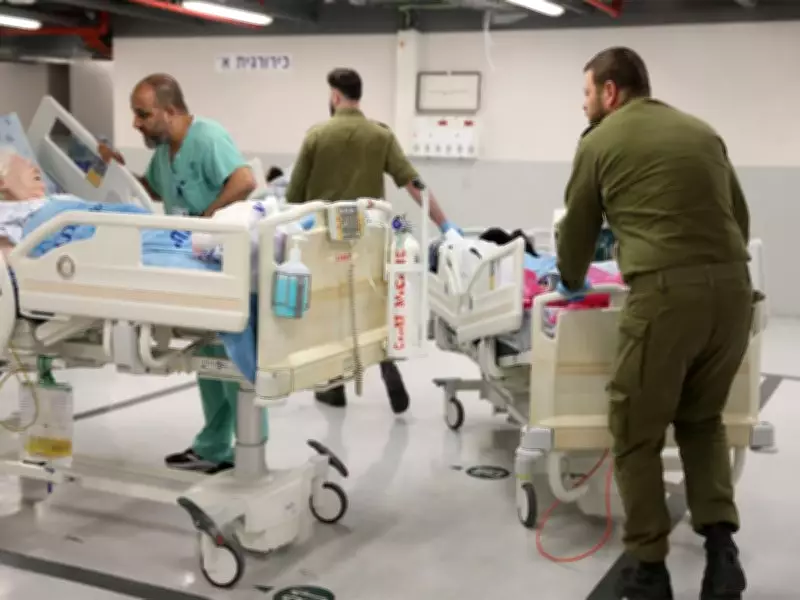
In a significant move to bolster safety and readiness, hospitals across Tel Aviv have implemented comprehensive emergency preparedness measures. This includes the strategic transfer of patients to underground fortified facilities, designed to withstand potential threats and ensure uninterrupted medical care during crises.
Enhanced Safety Measures in Medical Institutions
The decision to activate these protocols comes as part of a proactive approach by healthcare authorities in the region. Hospitals have been equipped with state-of-the-art underground bunkers, which are reinforced to provide a secure environment for patients, staff, and medical equipment. These facilities are intended to serve as safe havens, minimizing risks from external dangers while maintaining essential healthcare services.
Key aspects of the emergency preparedness plan include:

- Patient Relocation: Vulnerable patients, including those in critical condition, have been systematically moved to these underground areas to ensure their protection.
- Infrastructure Upgrades: Hospitals have undergone modifications to integrate these fortified spaces seamlessly into their operations, with backup power and communication systems in place.
- Staff Training: Medical personnel have received specialized training to manage emergencies within these confined settings, focusing on continuity of care and rapid response.
Context and Implications for Healthcare Delivery
This initiative reflects a broader trend in regions facing security challenges, where healthcare infrastructure is being adapted to prioritize resilience. By transferring patients to underground fortified facilities, Tel Aviv hospitals aim to mitigate potential disruptions caused by conflicts or other emergencies, thereby safeguarding public health.
The implementation of these measures underscores the importance of preparedness in urban healthcare systems. It highlights how medical institutions are evolving to address complex threats, ensuring that patient care remains uninterrupted even under adverse conditions. As hospitals continue to monitor the situation, these protocols serve as a model for other cities grappling with similar security concerns.