

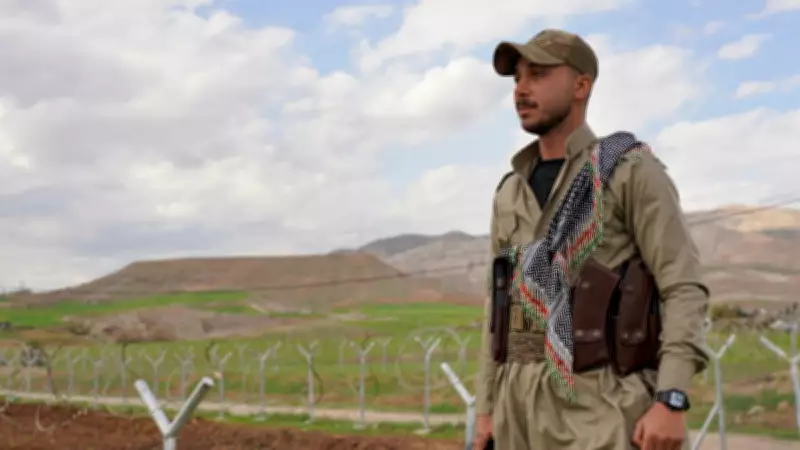
Trump's Call for Kurdish Support in Confronting Iran
In a recent development, former US President Donald Trump has publicly advocated for Kurdish forces to align with efforts to counter Iran's influence in the Middle East. This move underscores the ongoing geopolitical tensions in the region and the strategic importance of Kurdish groups in US foreign policy. Trump's statement has reignited discussions about the role of the Kurds, a stateless ethnic group with a long history of seeking autonomy and facing persecution.
Who Are the Kurds? A Brief Overview
The Kurds are an ethnic group primarily inhabiting a mountainous region known as Kurdistan, which spans parts of Turkey, Iran, Iraq, and Syria. With an estimated population of 30 to 40 million people, they are one of the largest ethnic groups without a sovereign state. The Kurds have their own distinct language, culture, and history, dating back centuries. Over time, they have faced significant challenges, including oppression and marginalization by the governments of the countries they reside in, leading to ongoing struggles for independence and rights.
In recent decades, Kurdish militias, such as the Peshmerga in Iraq and the YPG in Syria, have gained prominence for their military capabilities. These groups have played key roles in conflicts, notably in the fight against ISIS, where they received support from the US and other international allies. Their effectiveness on the battlefield has made them valuable partners in regional security efforts.

Why the US Relies on Kurdish Forces
The United States has historically viewed Kurdish groups as strategic allies in the Middle East for several reasons. Firstly, Kurdish forces have proven to be reliable and capable fighters, particularly in counterterrorism operations. During the campaign against ISIS, Kurdish militias were instrumental in reclaiming territory and stabilizing areas in Iraq and Syria, often with US backing in the form of training, arms, and air support.
Secondly, the Kurds' geographic positioning is crucial. They control or influence key regions that are strategically important for containing threats from Iran and other adversarial actors. By partnering with Kurdish groups, the US can maintain a foothold in these areas without deploying large numbers of American troops, aligning with a broader strategy of using local proxies to advance US interests.
Moreover, the Kurds' desire for autonomy or independence often aligns with US goals of promoting democracy and countering Iranian influence. Iran, a regional rival, has its own Kurdish minority and views Kurdish movements as potential threats to its stability. By supporting Kurdish forces, the US can indirectly pressure Iran and disrupt its expansionist ambitions in the region.
Trump's Proposal and Its Implications
Donald Trump's call for the Kurds to join the fight against Iran is not entirely new, as he has previously expressed support for Kurdish causes during his presidency. However, this latest statement could signal a shift in US policy or a reinforcement of existing strategies. If implemented, such an alliance might involve increased military cooperation, intelligence sharing, and possibly financial aid to Kurdish groups.
This move could have significant repercussions. On one hand, it might strengthen Kurdish positions and enhance regional security against Iranian aggression. On the other hand, it risks escalating tensions with countries like Turkey, a NATO ally that opposes Kurdish autonomy due to its own Kurdish separatist issues. Additionally, it could complicate diplomatic relations in the Middle East, where alliances are often fragile and multifaceted.
Challenges and Future Prospects
Despite the potential benefits, relying on Kurdish forces comes with challenges. The Kurds are not a monolithic entity; different factions have varying goals and allegiances, which can lead to internal conflicts or disagreements with US objectives. Furthermore, their stateless status makes them vulnerable to shifting political winds, as seen in past instances where US support has wavered, leaving them exposed to retaliation from neighboring states.

Looking ahead, the success of Trump's proposal will depend on several factors, including the willingness of Kurdish groups to engage, the response from regional powers, and the broader context of US-Iran relations. As the Middle East continues to be a hotspot for conflict, the role of the Kurds remains a critical element in the geopolitical chessboard, with implications for global security and stability.
In summary, Donald Trump's advocacy for Kurdish involvement against Iran highlights the enduring strategic partnership between the US and Kurdish forces. Understanding who the Kurds are and why they are valued by the US is essential for grasping the complexities of Middle Eastern politics and the ongoing efforts to counter Iranian influence in the region.





