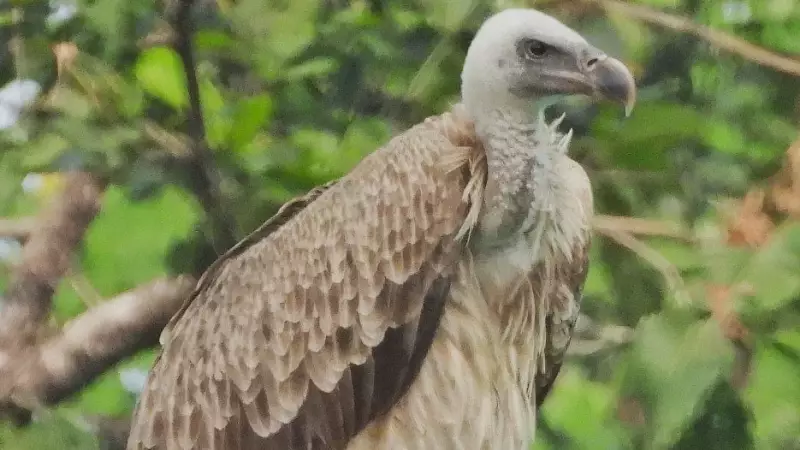
In a significant boost for wildlife conservation in India, two Long-Billed Vultures have successfully completed 15 months of living in the wilds of Madhya Pradesh. This milestone marks a hopeful chapter in the efforts to revive the critically endangered species, often referred to by the mythological name Jatayu.
A Journey from Captivity to the Wild
The two vultures at the heart of this story have a very specific origin. They were born on 27 January 2020 within the protected environment of a closed aviary located in Pinjore, Haryana. Unlike many conservation projects that involve hand-rearing, these chicks had the advantage of being raised by their own parents, a factor that likely contributed to their survival skills.
After reaching a suitable age and strength, the vultures were carefully translocated to a pre-selected site in Madhya Pradesh. The state, known for its rich biodiversity, was chosen to provide a natural habitat where the birds could learn to thrive independently. The successful adaptation over these 15 months is a testament to the meticulous planning by wildlife authorities.

Why This Milestone Matters for Conservation
The Long-Billed Vulture, or Indian Vulture, is listed as Critically Endangered on the IUCN Red List. Their population crashed dramatically in the 1990s primarily due to the veterinary use of the drug diclofenac in cattle, which is toxic to vultures that feed on the carcasses. The loss of these natural scavengers has severe ecological consequences, including the spread of diseases.
Therefore, the survival of these two individuals in the wild for over a year is not just a number. It is a critical data point proving that captive-bred vultures can be reintroduced and can sustain themselves in natural ecosystems. This success provides a replicable model for future releases and strengthens the national vulture conservation action plan.
Looking Ahead: The Future of Vultures in India
The ongoing monitoring of these two vultures will yield invaluable insights into their behavior, ranging patterns, and challenges faced in the wild. Conservationists emphasize that such projects require long-term commitment. Key future steps include:
- Continued monitoring of the released vultures' health and movements.
- Ensuring the release zones remain free from toxic veterinary drugs.
- Community engagement to foster local support and protection for the birds.
- Planning for more such releases to establish a viable wild population.
This achievement, reported on 02 December 2025, underscores a collaborative victory for forest departments, conservation biologists, and wildlife enthusiasts. It shines a ray of hope for the recovery of a species that plays an indispensable role in maintaining the health of the environment. The journey of these two Jatayu from Pinjore's aviary to the skies of Madhya Pradesh is a powerful symbol of resilience and dedicated conservation effort.