India Expands Ramsar Network with Two New Wetlands Ahead of World Wetlands Day
Union Minister for Environment, Forest and Climate Change Bhupender Yadav has made a significant announcement ahead of World Wetlands Day on February 2, revealing the addition of two new wetlands to India's prestigious Ramsar network. This development marks another milestone in the country's environmental conservation efforts.
New Additions to the Ramsar List
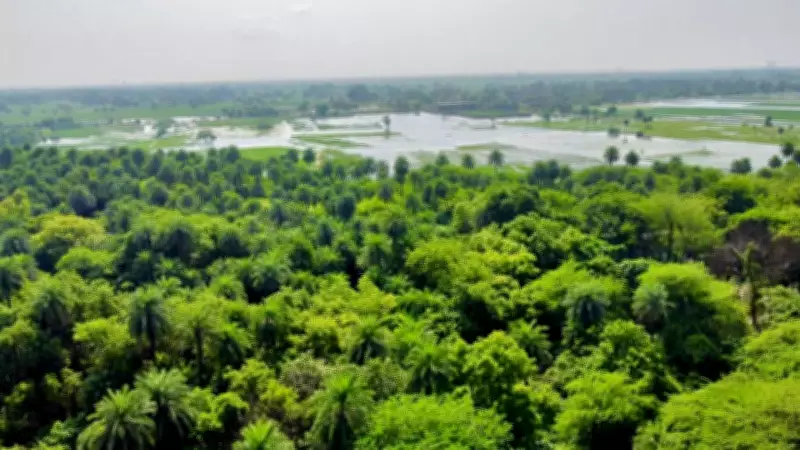
In a post on the social media platform X, Minister Yadav confirmed that Patna Bird Sanctuary in Etah district of Uttar Pradesh and Chhari-Dhand in Kutch district of Gujarat have been officially designated as Ramsar sites. These wetlands now join India's growing list of internationally recognized conservation areas.
The Minister expressed his delight at this achievement, stating: "Congratulations Team Uttar Pradesh and Gujarat and the Wetland community! With World Wetlands Day close by, I am delighted to announce that there are two new additions to India's Ramsar growing network."

Remarkable Expansion Under Current Leadership
Minister Yadav highlighted the substantial growth of India's Ramsar network under Prime Minister Narendra Modi's administration. He noted that the network has expanded by an impressive over 276%, increasing from just 26 sites in 2014 to 98 sites today.
"Under the visionary leadership of PM Shri Narendra Modi, Indian Ramsar network has seen an expansion of over 276% - climbing from 26 in 2014 to 98 now," the Minister wrote in his social media post.
Ecological Significance of the New Sites
The newly designated wetlands serve as crucial habitats for diverse wildlife:
- Patna Bird Sanctuary and Chhari-Dhand provide shelter to hundreds of migratory and resident bird species
- These areas support endangered avian populations alongside other wildlife
- The wetlands are home to mammals including chinkara, wolves, caracals, desert cats, and desert foxes
This biodiversity makes these wetlands particularly valuable for conservation efforts and ecological balance.
International Recognition and Commitment
Minister Yadav emphasized that this international recognition reflects India's strong commitment to environmental protection and wetland conservation. The designation as Ramsar sites acknowledges these wetlands as areas of particular conservation value that serve as models of the nation's dedication to preservation under internationally accepted frameworks.
India has been a Contracting Party to the Ramsar Convention since February 1, 1982. The convention, formally known as the 'Convention on Wetlands,' was originally signed in Ramsar, Iran, in 1971 and represents a global commitment to wetland conservation.
The addition of these two wetlands comes at an appropriate time, just before World Wetlands Day, highlighting India's ongoing efforts to protect these vital ecosystems that provide numerous ecological services while supporting rich biodiversity.