

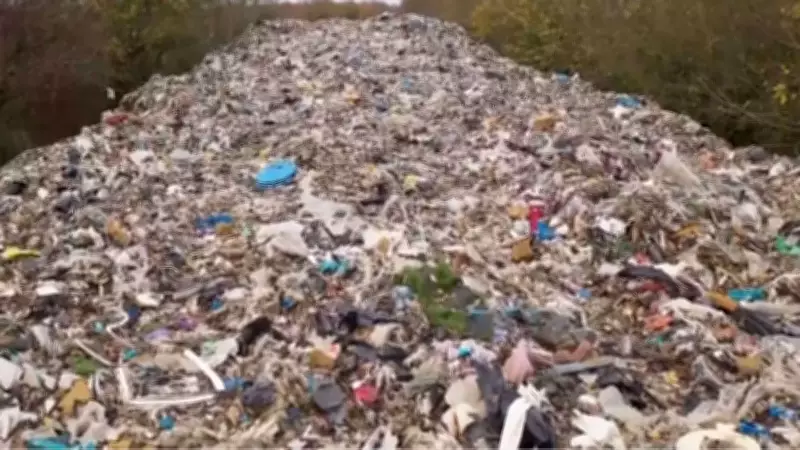
UK Government Proposes Police Powers for Environment Agency to Combat Waste Crime
The UK government is actively considering a significant expansion of powers for enforcement officers of the Environment Agency (EA), granting them police-style authority to intensify the crackdown on waste crime. This announcement comes ahead of the forthcoming Waste Crime Action Plan, with ministers highlighting the urgent need to address issues like fly-tipping and illegal dumping more effectively.
Enhanced Enforcement Capabilities Under Consideration
Under the proposed measures, EA officials could be authorized to conduct searches of premises without a warrant, seize assets, and arrest suspects directly linked to illegal waste activities. These powers aim to target organized criminal networks that profit from unlawful waste disposal, disrupting their operations more swiftly and decisively.
The government is exploring the expansion of the agency's authority through existing legislation, including the Police and Criminal Evidence Act (PACE) and the Proceeds of Crime Act 2002 (POCA). Officials believe that these enhanced capabilities would enable enforcement officers to intervene earlier in criminal activities, thereby more effectively combating the illegal waste trade.

Government's Stance on Waste Crime
The Department for Environment, Food and Rural Affairs has stated that this move would position the EA among a select few organizations with such robust enforcement capabilities. This signals a shift in how waste crime is perceived, treating it as serious organized crime rather than minor infractions.
UK Environment Secretary Emma Reynolds emphasized the government's commitment to taking decisive action. "Waste crime is a disgrace. It blights our countryside and communities, damaging our environment and economy," Reynolds said. She added that the proposed powers are designed to stop offenders quickly and ensure they are brought to justice. The new laws are expected to be introduced when parliamentary time permits.
Scale and Impact of Waste Crime in England
Authorities report that waste crime has become increasingly sophisticated and costly. According to estimates by the Environmental Services Association, tackling this issue costs England's economy approximately £1 billion annually.
Government figures reveal that between 2024 and 2025, councils in England dealt with about 1.26 million fly-tipping incidents, with household waste accounting for around 62% of these cases. From July 2024 to the end of 2025, the Environment Agency secured 122 prosecutions, resulting in:
- 10 immediate custodial sentences
- Closure of more than 1,200 illegal waste sites
Additional Measures and Penalties
Officials are also investigating mechanisms to allow enforcement bodies to share information about suspected waste criminals with banks and financial companies. This could potentially cut off financial support for illegal operators, making it harder for them to sustain their activities.
Under separate proposed legislation, individuals caught transporting or dealing with waste illegally could face prison sentences of up to five years. Furthermore, the government has proposed measures that could see drivers receive penalty points on their licenses if caught fly-tipping. Accumulating 12 or more points within three years could lead to disqualification from driving.
Political Response and Future Plans
Tim Farron, environment spokesperson for the Liberal Democrats, welcomed the plans to expand the agency's powers but argued they do not go far enough. Farron suggested that the National Crime Agency should take a leading role in investigating waste crime, describing fly-tipping as "environmental vandalism" that requires stronger enforcement.
The government's forthcoming Waste Crime Action Plan is anticipated to outline additional measures to tackle illegal dumping and restore confidence in environmental enforcement across England. This comprehensive approach aims to address the root causes of waste crime while enhancing the tools available to combat it.






