UN Expert Warns Taliban Healthcare Restrictions Endanger Afghan Women
A United Nations expert has issued a stark warning that Taliban-imposed restrictions on healthcare are putting Afghan women at significant risk. Special Rapporteur on Afghanistan Richard Bennett detailed these concerns during a recent press briefing, highlighting how new regulations are creating severe barriers to medical access for women across the country.
Stringent Rules Limiting Medical Access
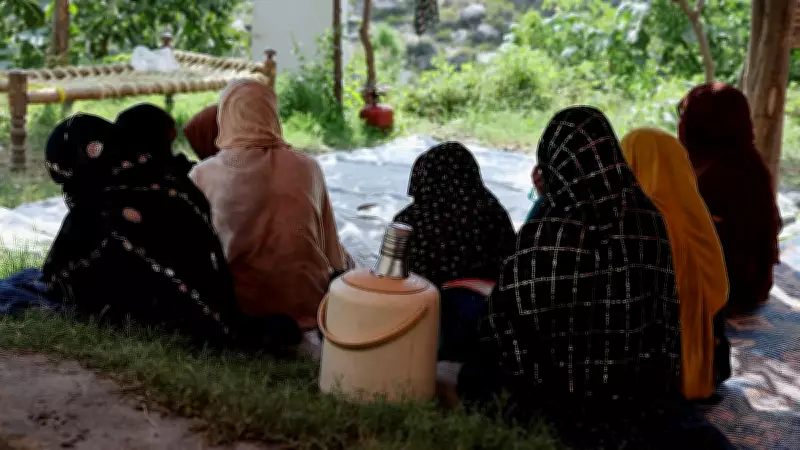
According to Bennett, the Taliban authorities have implemented a series of strict rules that directly impact how women can receive medical care. These regulations mandate that sick or injured women must adhere to a specific dress code when seeking treatment. Furthermore, they are required to be accompanied by a male guardian, such as a husband or male relative, to access healthcare facilities.
Perhaps most critically, the rules stipulate that women must be treated exclusively by male medical professionals. This combination of requirements creates a multifaceted obstacle course for Afghan women in need of medical attention, effectively discouraging or preventing many from seeking necessary care.

Compounding Healthcare Crisis
These restrictions come at a time when Afghanistan's healthcare system is already under tremendous strain. The country has been grappling with economic challenges, international isolation, and the aftermath of decades of conflict. The additional bureaucratic and cultural barriers imposed by the Taliban are exacerbating an already dire situation.
Richard Bennett emphasized that these policies are having tangible, harmful consequences for women's health outcomes. Women with chronic conditions, pregnant women needing prenatal care, and those requiring emergency treatment are all facing increased difficulties in accessing appropriate medical services.
Broader Implications for Women's Rights
The healthcare restrictions represent just one aspect of the Taliban's broader approach to women's rights since returning to power in 2021. The regime has systematically rolled back many of the gains made by Afghan women over the previous two decades, particularly in areas of education, employment, and public participation.
"These healthcare policies are not isolated measures but part of a comprehensive pattern of restrictions that limit women's autonomy and dignity," Bennett noted during his briefing. The requirement for male guardians and the imposition of specific dress codes extend beyond healthcare into nearly all aspects of public life for Afghan women.
International Response and Future Concerns
The United Nations and various human rights organizations have repeatedly called on the Taliban to reverse these restrictive policies. However, the de facto authorities have shown little willingness to modify their approach, citing their interpretation of Islamic law as justification for the regulations.
As the situation continues to develop, international observers worry about the long-term consequences for Afghanistan's public health system and particularly for women's health indicators. Maternal mortality rates, child health outcomes, and general healthcare access metrics are all areas of concern that could deteriorate further under the current restrictions.
The UN expert's warning serves as a sobering reminder of the ongoing humanitarian challenges in Afghanistan and the particular vulnerabilities faced by women under the Taliban's governance framework.