

UNESCO's 'Pockets of Hope' Exhibition in Amritsar Sheds Light on Biodiversity Threats
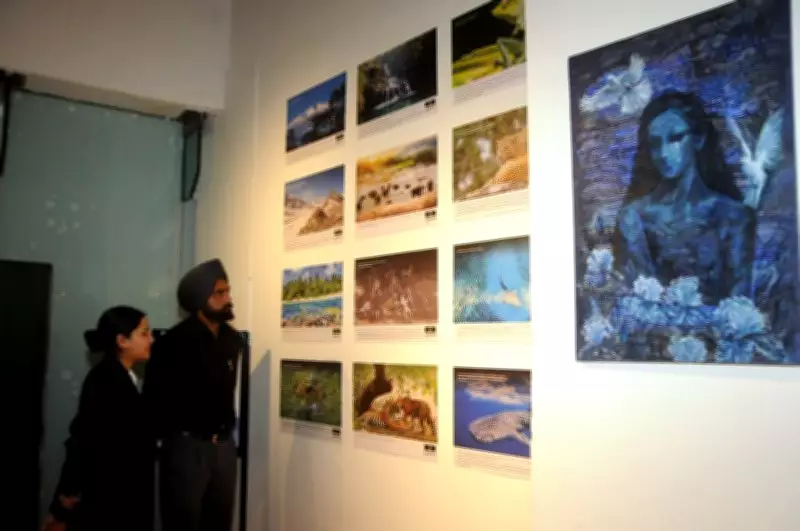
UNESCO has launched a compelling photo-story exhibition titled 'Pockets of Hope' in Amritsar, drawing attention to the critical threats facing global biodiversity. Hosted at the VR Ambarsar Mall as part of the month-long Punjab Art Initiative, this exhibition features award-winning photographs by international artists and ecological conservationists, focusing on marine ecosystems and their ecological value.
Showcasing Biosphere Reserves as Conservation Models
The 'Pockets of Hope' project highlights biosphere reserves as successful models for conservation and sustainable development. It has traveled to various cities and countries across Central and South East Asia, sparking curiosity and dialogue on preserving natural habitats through community-led efforts. In Amritsar, the exhibition aims to engage visitors, students, and people from all walks of life in discussions about ecosystem management.
Key Examples of Biosphere Reserves
The exhibition spotlights several significant biosphere reserves, including the UNESCO-recognized Pachmarhi Biosphere Reserve in Madhya Pradesh's Satpura mountain range. This reserve protects a vast forest ecosystem, conserving wildlife, plants, and tribal culture while supporting research and sustainable development. It is noted for its rich prehistoric rock art and serves as a vital genetic corridor between the Eastern Himalayas and Western Ghats.

Another highlighted reserve is the Cold Desert Biosphere Reserve in Spiti Valley, Himachal Pradesh, home to rare species like the Himalayan Snow Leopard and Himalayan Blue Sheep, along with over 12,000 medicinal plant species. The exhibition also emphasizes the importance of atolls such as the Maldives-Chagos-Lakshadweep and the Sundarbans, underscoring the urgent need for intervention to save these 'Pockets of Hope'.
Expert Insights on Climate Crisis and Conservation
Dr. Benno Böer, Chief of the Natural Sciences unit at UNESCO Regional Office for South Asia, explained that these biosphere reserves are termed 'pockets of hope' because they demonstrate practical ways to protect ecosystems while aiding communities in adapting to the climate crisis. The exhibition, along with an illustrated book project, brings to life the World Network of Biosphere Reserves, highlighting terrestrial, coastal, and marine ecosystems and the communities that inhabit them.
Biosphere reserves play a crucial role during the climate crisis by storing carbon, protecting biodiversity, supporting climate-resilient livelihoods, and providing real-world models for sustainable development. Closer to home, the Harike Pattan wetlands, a Ramsar site in Punjab, face threats from rising temperatures and water pollution, with authorities lacking proactive measures to prevent human-induced harm.
Urgent Call for Responsible Ecosystem Management
The 'Pockets of Hope' exhibition in Amritsar serves as a necessary intervention to raise awareness about conserving natural reserves. By showcasing the beauty and fragility of these ecosystems, it calls for immediate action towards responsible ecosystem management and conservation efforts to safeguard our planet's remaining biodiversity hotspots.






