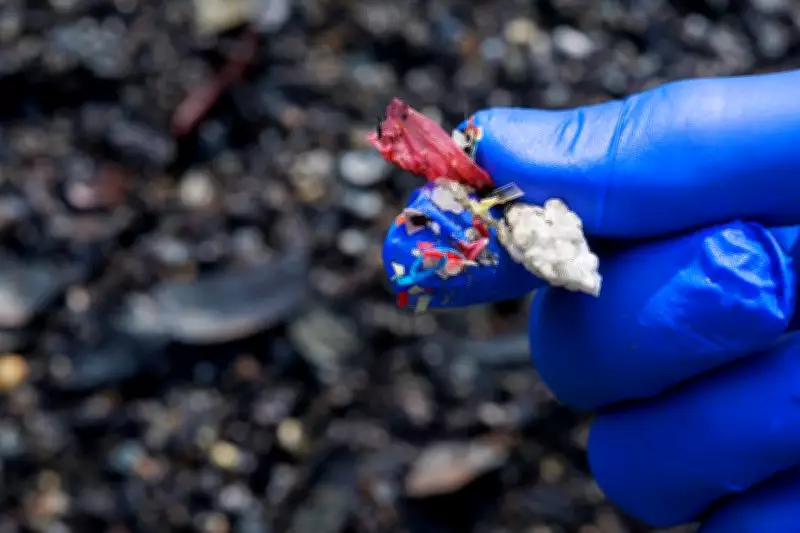
The Unfiltered Threat: Microplastics in Our World
In recent years, the issue of microplastics has surged to the forefront of environmental and public health discussions. These minuscule plastic particles, typically less than 5 millimeters in size, are now ubiquitous, infiltrating ecosystems, food chains, and even human bodies. Unlike larger plastic waste, microplastics often go unnoticed, making them a silent yet pervasive crisis that demands immediate attention.
What Are Microplastics and Where Do They Come From?
Microplastics originate from two primary sources: primary and secondary. Primary microplastics are intentionally manufactured at a small scale, such as microbeads in cosmetics or pellets used in industrial processes. Secondary microplastics result from the breakdown of larger plastic items, like bottles, bags, and fishing nets, due to environmental factors like sunlight, wind, and water erosion.
Common sources include:

- Synthetic textiles releasing fibers during washing
- Tire wear from vehicles on roads
- Plastic packaging degrading in landfills and oceans
- Industrial abrasives and paints
These particles are so small that they easily bypass filtration systems, entering water supplies, soil, and the air we breathe.
The Environmental and Health Impacts
Microplastics pose significant risks to both the environment and human health. In ecosystems, they are ingested by marine life, birds, and other animals, leading to physical harm, toxic chemical exposure, and bioaccumulation up the food chain. For humans, exposure occurs through consumption of contaminated food and water, inhalation of airborne particles, and even direct skin contact.
Key health concerns include:
- Inflammation and tissue damage from particle accumulation in organs
- Exposure to harmful chemicals like bisphenol A (BPA) and phthalates leached from plastics
- Potential links to chronic diseases, including cancer and reproductive issues, though research is ongoing
- Disruption of gut microbiota and immune system function
Recent studies have detected microplastics in human blood, placenta, and lungs, highlighting their ability to cross biological barriers and circulate within the body.
Global Efforts and Solutions
Addressing the microplastics crisis requires coordinated global action. Governments, industries, and individuals must collaborate to reduce plastic production, improve waste management, and develop innovative filtration technologies.
Effective strategies include:
- Banning single-use plastics and microbeads in consumer products
- Investing in advanced water treatment plants to capture microplastics
- Promoting circular economy models to recycle and reuse plastics
- Supporting research into biodegradable alternatives and cleanup methods
Public awareness campaigns are also crucial to encourage lifestyle changes, such as reducing plastic use and supporting sustainable brands.
The Path Forward
While the challenge of microplastics is daunting, it is not insurmountable. By understanding their sources and impacts, we can take proactive steps to mitigate this pollution. From policy reforms to personal choices, every effort counts in safeguarding our planet and health from the unfiltered threat of microplastics. The time to act is now, before these invisible particles cause irreversible damage.