US Air Force Deploys Advanced Stealth Bombers and Fighters Near Iran
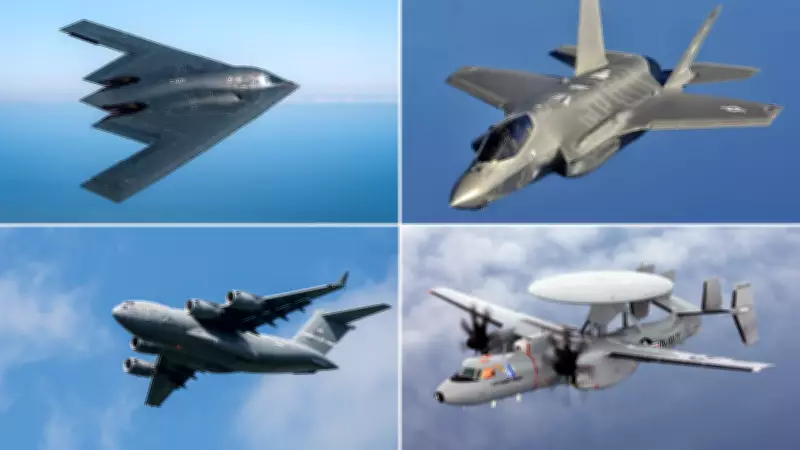
In a significant military move, the United States Air Force has deployed a wide range of advanced air assets near Iran, as of March 17, 2026. This deployment includes iconic aircraft such as B-2 stealth bombers and F-35 Lightning II jets, highlighting the US's strategic capabilities in the region.
Key Aircraft in the Deployment
The deployment features several high-profile aircraft, each with unique roles and capabilities:
- B-1B Lancer: A supersonic heavy bomber designed for long-range missions with a high payload capacity, originally built for nuclear delivery but now used conventionally.
- B-2 Spirit: A stealth strategic bomber with a flying-wing design that minimizes radar visibility, enabling penetration of advanced air defenses for both conventional and nuclear strikes.
- B-52 Stratofortress: A long-range subsonic bomber in service since the 1950s, known for its durability and versatility in carrying various weapons.
- F-35 Lightning II: A family of fifth-generation multirole stealth fighters with advanced sensors for air combat, strike, and reconnaissance missions.
- F-22 Raptor: A fifth-generation stealth air superiority fighter with supercruise capability and exceptional maneuverability for dominance in air combat.
Support and Specialized Aircraft
In addition to bombers and fighters, the deployment includes support and specialized aircraft crucial for mission success:
- EA-18G Growler: An electronic warfare variant that jams enemy radar and communications to suppress air defenses.
- RC-135 Rivet Joint: A reconnaissance aircraft equipped for signals intelligence, collecting electronic emissions from adversaries.
- KC-46 Pegasus: A next-generation aerial refueling aircraft that extends the range of other aircraft, based on a commercial airliner design.
- AH-64 Apache Helicopters: Twin-engine attack helicopters designed for anti-armor and close support missions with advanced sensors and missiles.
Strategic Implications
This deployment underscores the US Air Force's readiness and technological edge, with assets capable of long-range strikes, air superiority, and electronic warfare. The presence of these aircraft near Iran signals a robust military posture, potentially in response to regional tensions or as a deterrent measure.
The variety of aircraft, from stealth bombers like the B-2 to multirole fighters like the F-35, ensures a comprehensive approach to air operations, including surveillance, combat, and logistical support. This move is part of broader US defense strategies in the Middle East, aimed at maintaining stability and protecting interests.