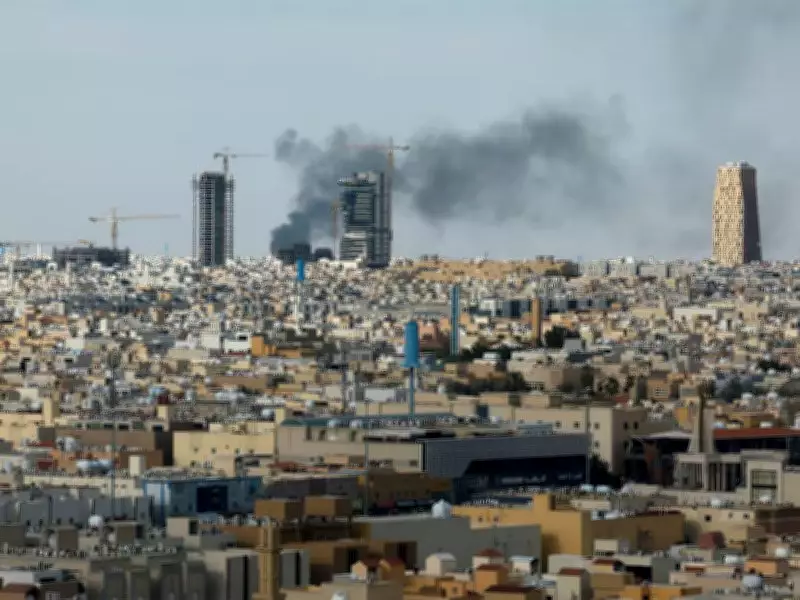
US Policy Retrenchment Could Spark Heightened Regional Instability in Iran Crisis
A recent geopolitical report has issued a stark warning that a potential pullback in United States engagement in the Middle East may act as a catalyst for a significantly more volatile regional phase in the ongoing Iran crisis. The analysis underscores how shifts in American foreign policy could reshape the security dynamics of the entire region, leading to increased unpredictability and heightened tensions among neighboring states.
Analyzing the Potential for Escalated Regional Tensions
The report meticulously examines the intricate web of alliances and rivalries in the Middle East, suggesting that a reduction in US diplomatic and military presence could create a power vacuum. This vacuum, the analysis argues, might embolden regional actors to pursue more aggressive postures, thereby escalating the existing Iran crisis into a broader, more dangerous confrontation. The potential for miscalculation and proxy conflicts is highlighted as a primary concern, with the stability of the entire Gulf region hanging in the balance.
Implications for Global and Regional Security Architecture
The findings point to a critical juncture in international relations, where decisions made in Washington could have profound ripple effects across continents. The report emphasizes that the Iran crisis is not an isolated issue but is deeply interconnected with global energy markets, international trade routes, and the broader fight against extremism. A more volatile regional phase could disrupt oil supplies, inflame sectarian divisions, and challenge the existing security frameworks that have, however imperfectly, maintained a degree of order.

Key factors identified in the report include:
- The role of US sanctions and their potential relaxation or intensification.
- The responses of regional powers like Saudi Arabia, Israel, and Turkey to a perceived US disengagement.
- The capacity of Iran to exert influence through its network of proxies across the region.
- The risk of direct military confrontations spiraling beyond control.
Navigating an Uncertain Geopolitical Future
In conclusion, the report serves as a crucial alert to policymakers and analysts worldwide. It argues that the international community must prepare for a scenario where the Iran crisis enters a new, more dangerous chapter driven by regional dynamics rather than superpower diplomacy. The call is for enhanced diplomatic efforts, multilateral cooperation, and contingency planning to mitigate the risks of a destabilizing shift that could have lasting consequences for peace and security in the Middle East and beyond.