

Uttarakhand's Mountain Water Sources Face Alarming Decline
The picturesque hills of Uttarakhand are confronting a deepening water emergency as hundreds of natural springs and traditional water sources inch perilously close to extinction. This alarming trend raises serious concerns about the fragile mountain ecology of the state and the livelihoods of its residents.
Official Data Reveals Critical Situation
Officials from Jal Sansthan in Bageshwar and Almora districts have reported that several water sources are on the verge of completely drying up, while many others have experienced a sharp decline in discharge—some cases showing reductions of up to 81%. A recent assessment by the state's Spring and River Rejuvenation Authority (SARRA) disclosed that rivers, seasonal streams known as gadheras, and traditional water systems like naulas and dharas—once the lifelines of the region—are now struggling to survive.
The crisis is being driven by a combination of climate change, erratic weather patterns, and unplanned development, which have collectively eroded groundwater reserves over time. Despite the gravity of the situation, awareness among the general population remains limited, exacerbating the challenge.

Impact on Drinking Water Supply
DS Bisht, executive engineer of Jal Sansthan in Bageshwar, emphasized the severity: "Nearly 70% of the hill population depends on springs and streams for drinking water supply schemes. In Bageshwar, several major drinking water schemes rely on these sources. But with reduced rainfall during winters, discharge drops sharply in summer, prompting alternative arrangements during this period."
This dependency highlights how the water shortage directly affects daily life and necessitates urgent intervention to prevent widespread hardship.
Grassroots Conservation Efforts Offer Hope
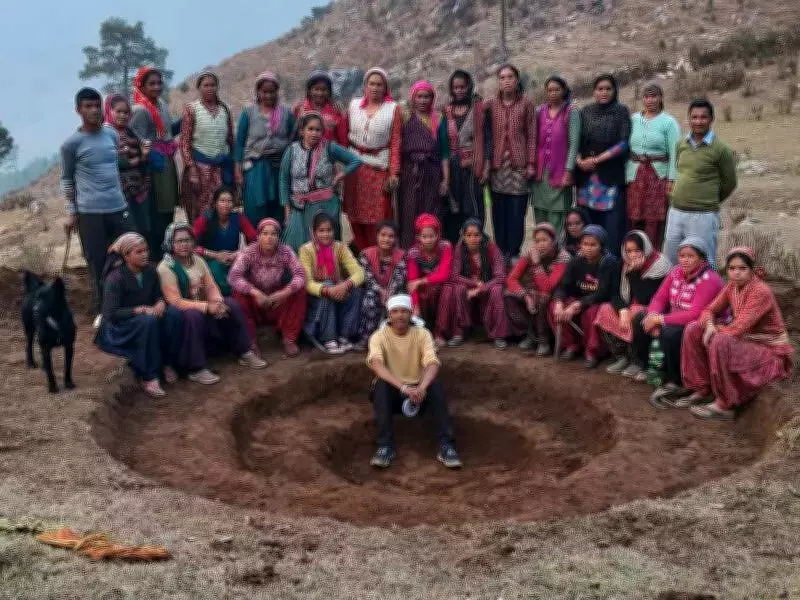
While SARRA has identified vulnerable sources and prepared revival plans focusing on traditional systems, a grassroots movement is also gaining momentum across the hills. In Almora's Chaukhutiya, Shankar Singh Bisht has restored over a dozen springs by planting trees for years. He, along with local women in Jhumakhet of Chamoli's Khansar Valley, built chal-khal—traditional rainwater harvesting structures—that have recharged nearby sources and provided water for wildlife.
Bisht noted, "Women's participation is the biggest strength in conserving natural resources and securing the Himalayan future."
In Bageshwar's Sirkot village, 60-year-old Jagdish Kuniyal revived the nearly defunct Sim gadhera stream by planting native broadleaf species such as oak and deodar and constructing recharge pits over eight years. The stream now flows year-round, supporting two drinking water schemes. Kuniyal's message is clear: "Protect forests and trees, and there will never be a shortage of water."
Similarly, Kishan Singh Malra, known as the Vriksh Purush (tree man) of Bageshwar, spent 12 years reviving three dying sources in Mandalsera—Dugad gadhera, Naula gadhera, and a natural naula—benefiting local residents.
Environmental Warnings and Future Outlook
Environmentalists have issued stark warnings, indicating that over 4,000 water sources across Uttarakhand remain under threat. They caution that without immediate and comprehensive measures, the state could face a full-blown water crisis with potentially irreversible consequences.
The combination of official data, local testimonies, and conservation success stories underscores the urgent need for sustained efforts to address this critical issue. As climate change and development pressures intensify, preserving Uttarakhand's water heritage becomes not just an environmental imperative but a necessity for human survival in the region.






